At CARE Clinic
The optometrist examines your eyes, eyelids, and tear film. They then explain the appropriate treatment based on their observations — IPL, ZEST, iLux, JETT plasma, CO2 laser, or other techniques available at the clinic.


Focused ultrasound for non-surgical eyelid tightening

Liquid nitrogen for selected small benign eyelid lesions
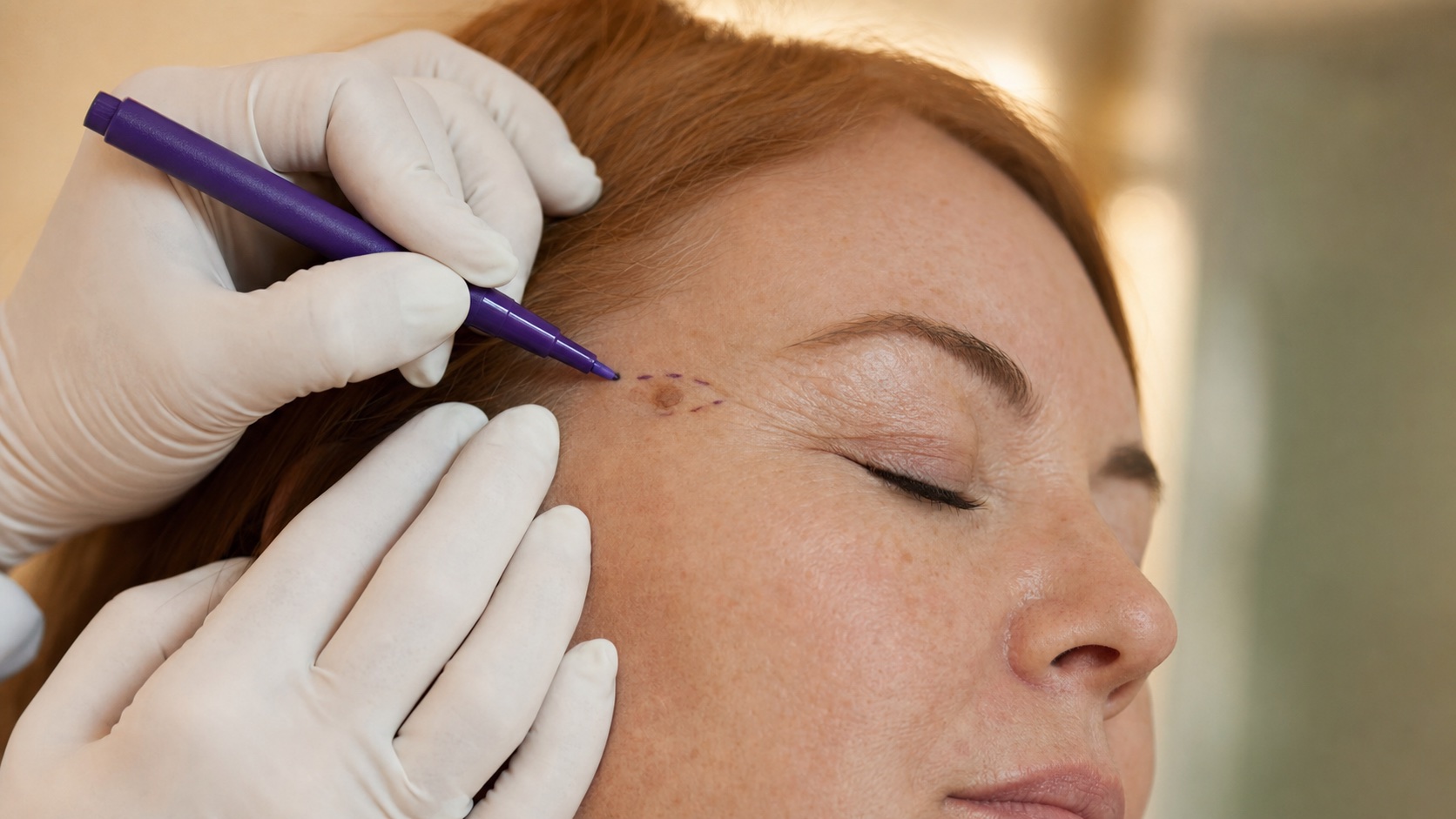
Scalpel removal for larger or atypical lesions with possible pathology analysis

Precise cutting and coagulation for raised eyelid lesions

Corticosteroid injection in the eyelid for persistent chalazion

Fractional CO2 laser for tightening eyelids and removing lesions
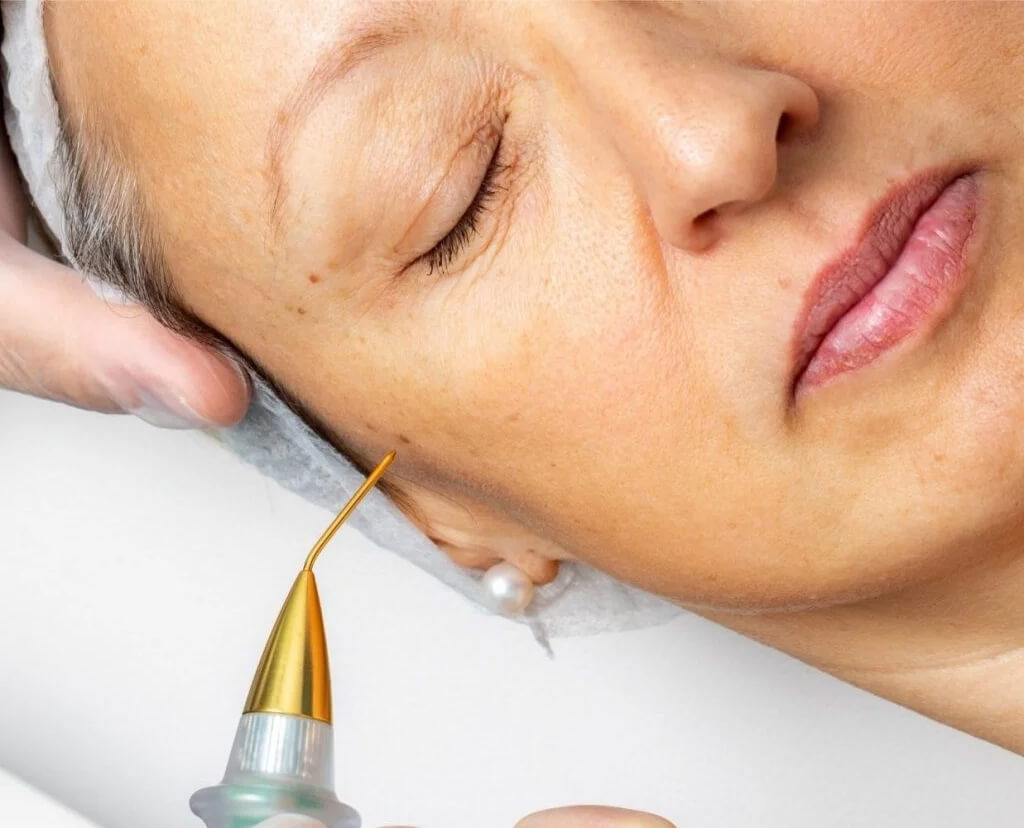
Ablative plasma for the removal of xanthelasma, milia, and skin tags.

Non-ablative plasma for chronic dry eye and severe blepharitis

Manual removal of secretions from the Meibomian glands

Devices placed in the tear ducts to reduce tear drainage
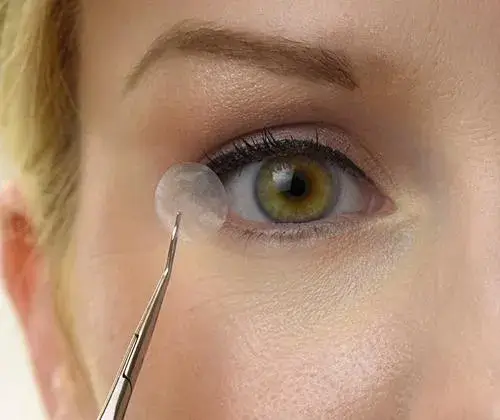
Placement of a biological membrane on the cornea for ocular surface conditions
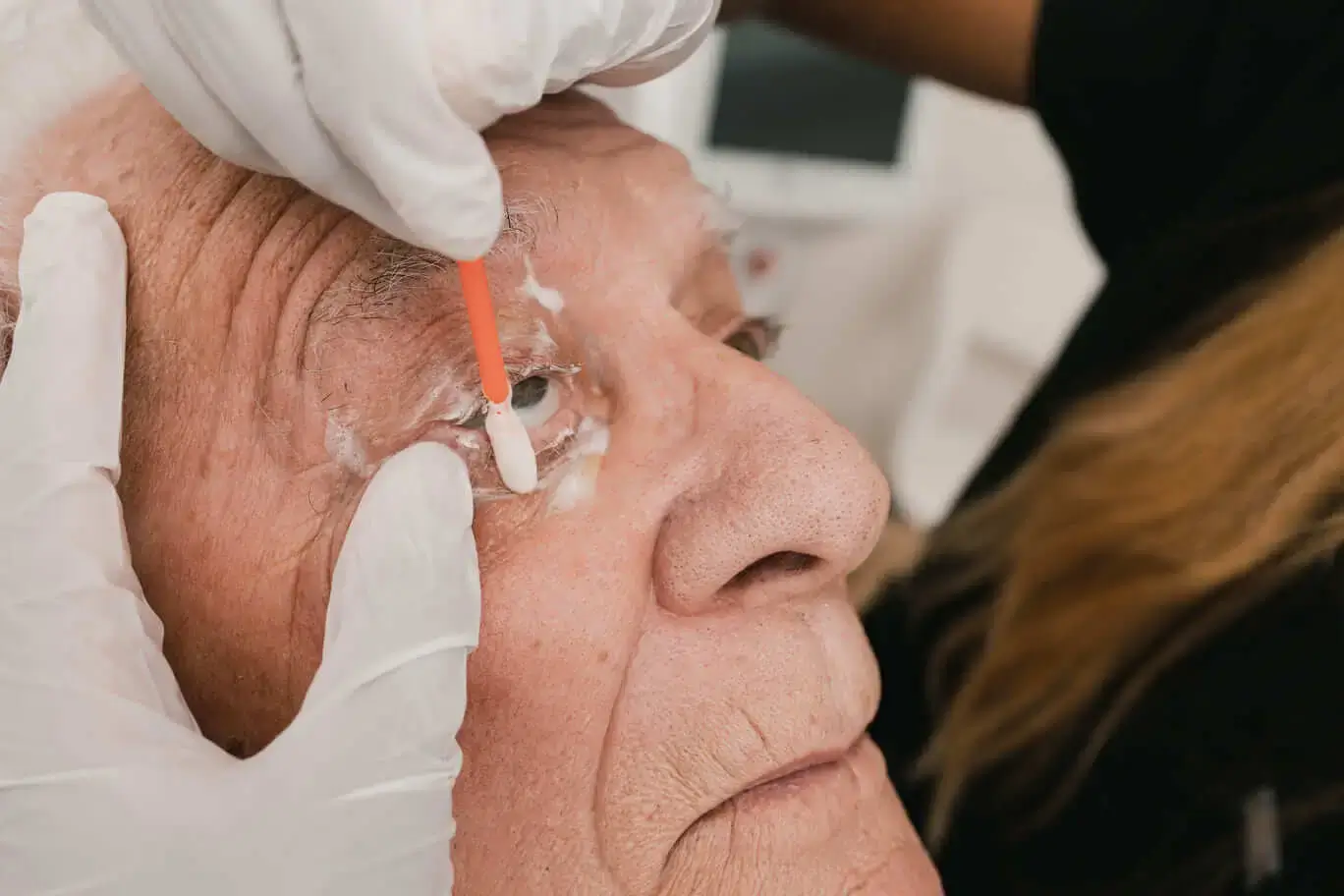
Clinical eyelid cleaning for blepharitis and Demodex blepharitis
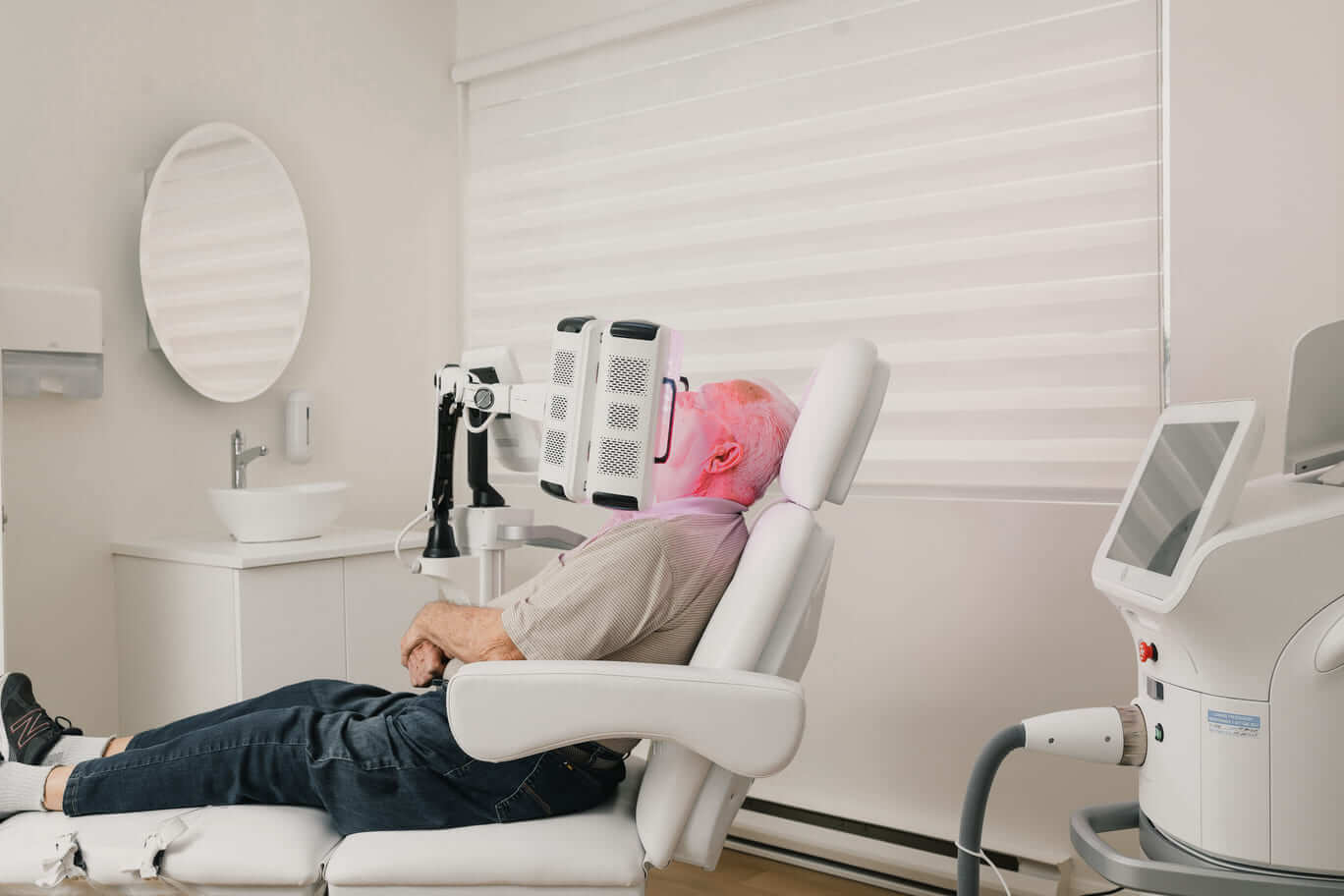
Low-intensity LED light for dry eye and blepharitis
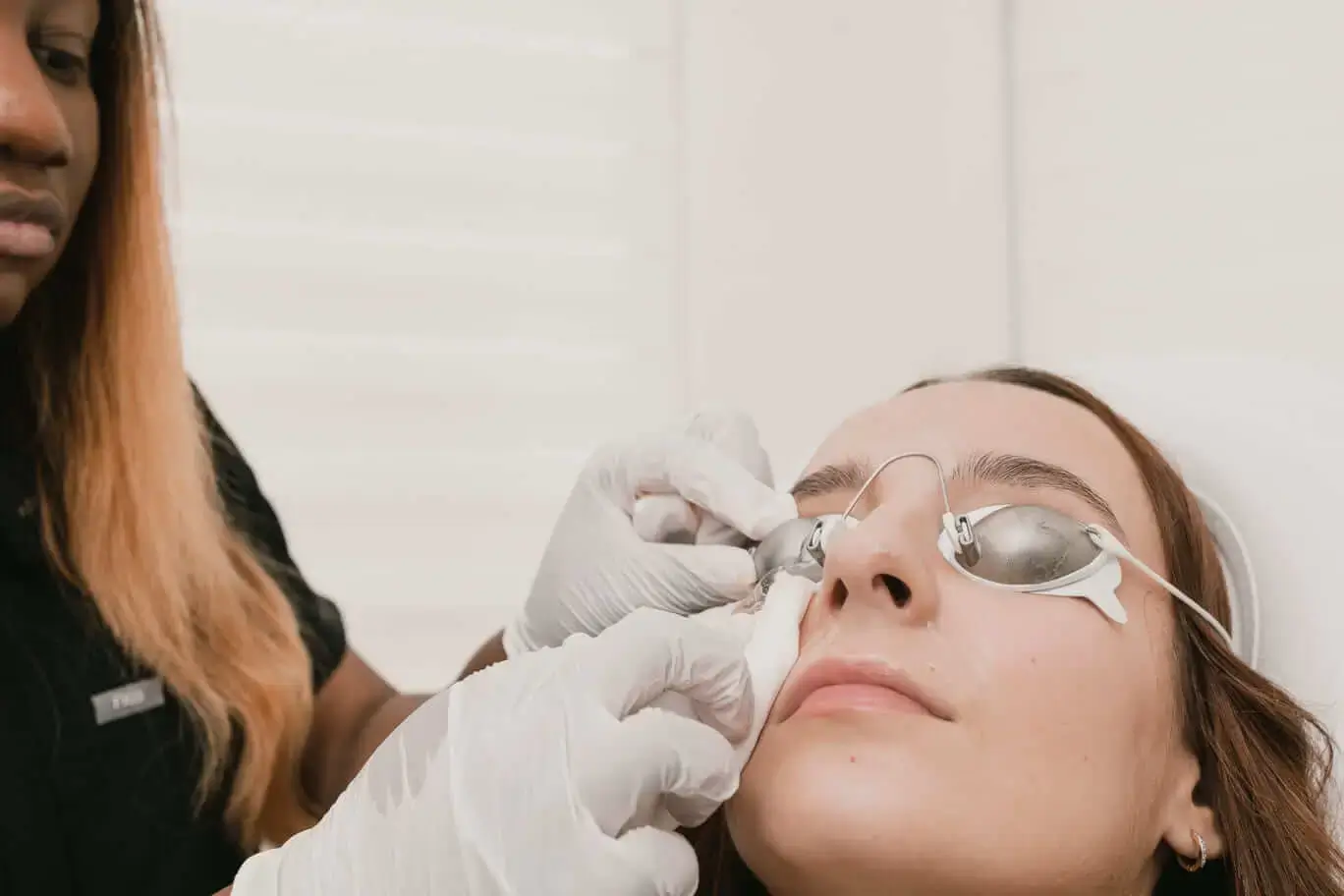
Intense pulsed light for dry eye and ocular rosacea
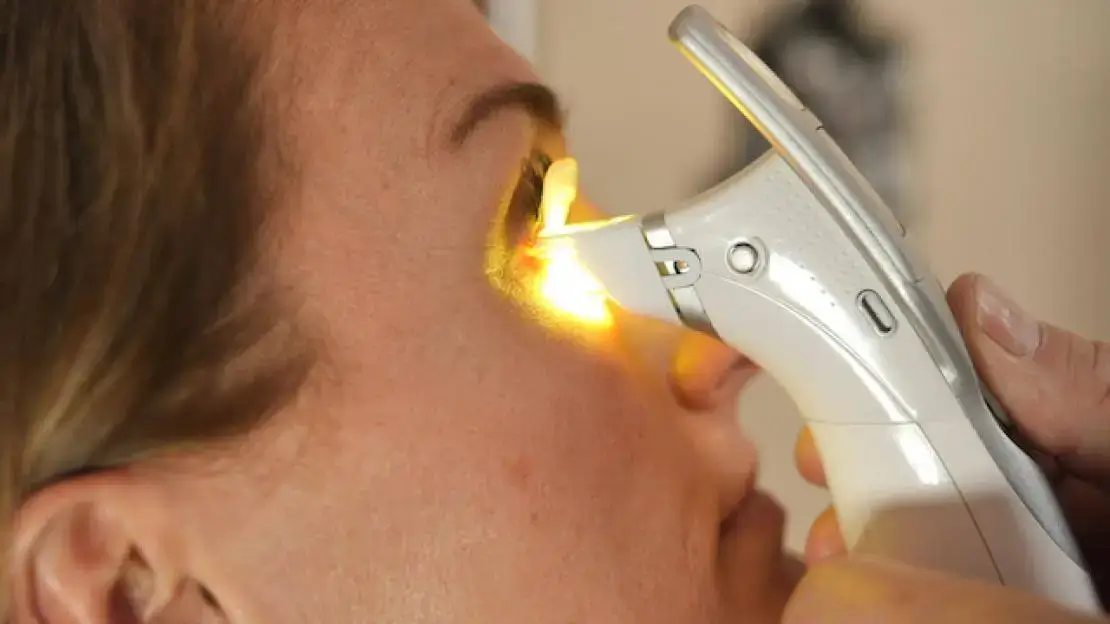
Applies heat and gentle pressure to the eyelids to address Meibomian gland dysfunction
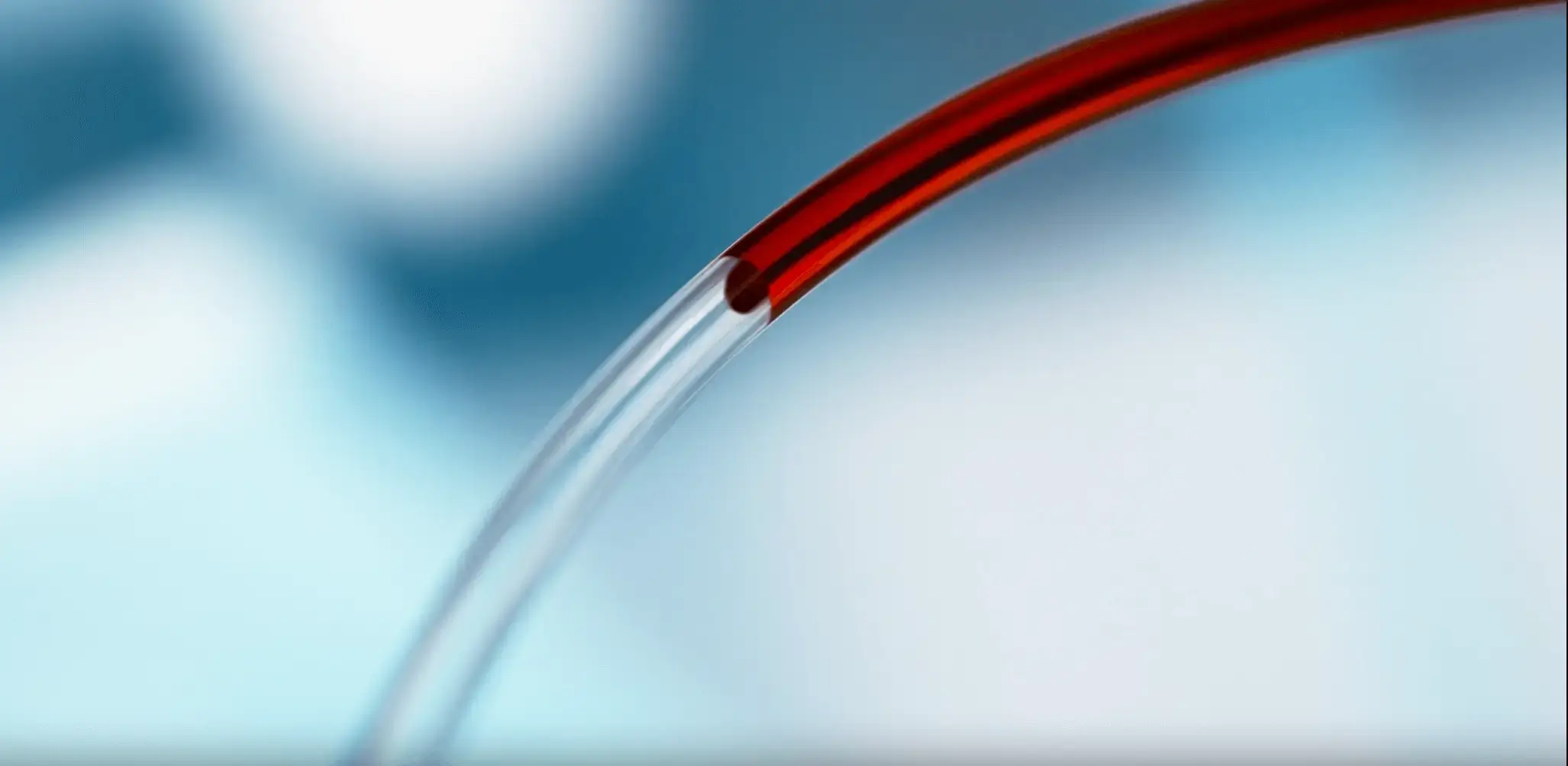
Ophthalmic drops made from the patient's own blood plasma