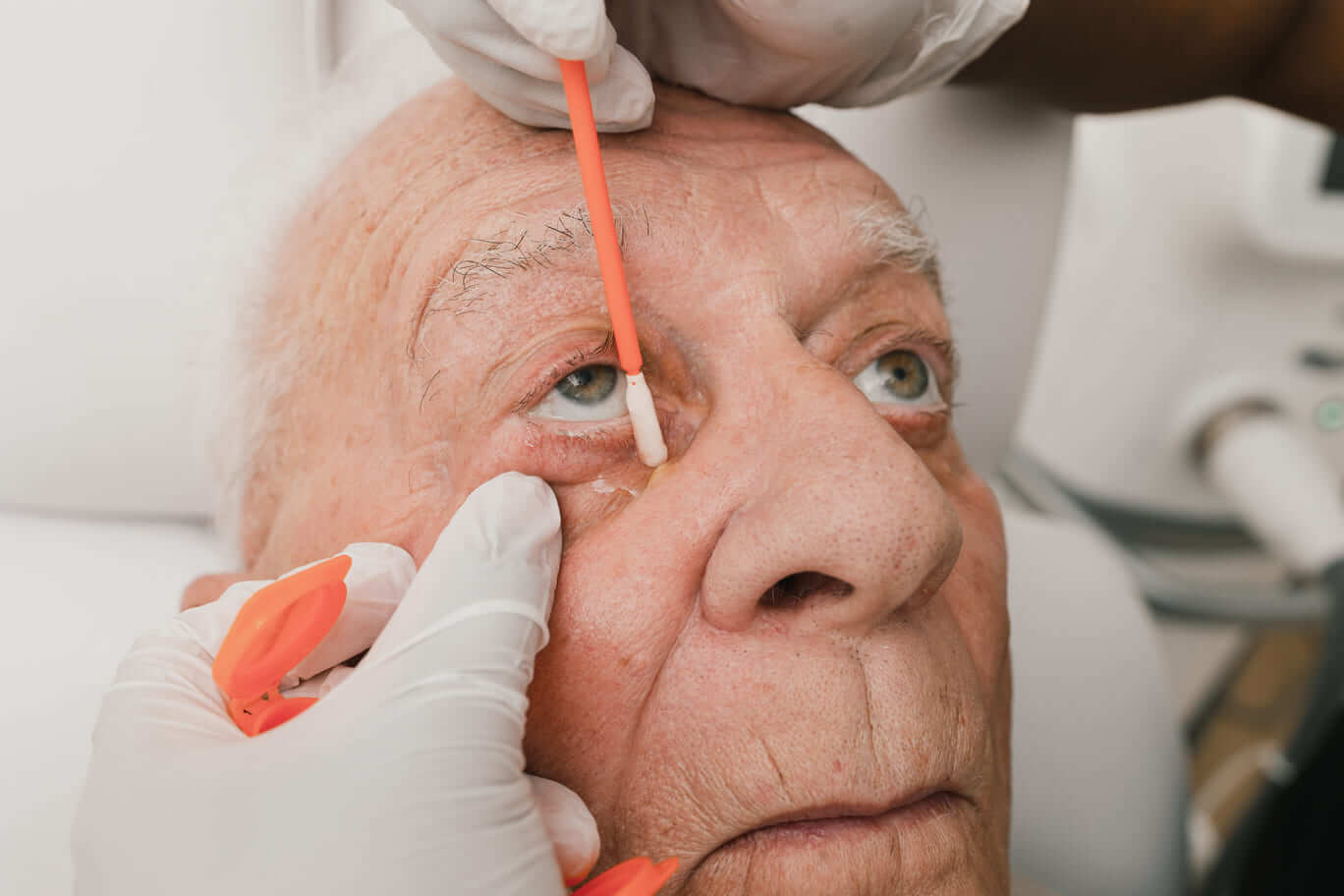
Three combined actions: a plant-based gel that dissolves biofilm, gentle mechanical exfoliation, and targeted action against Demodex mites.
The Zocular gel utilizes sticky extracts from okra (gumbo). This plant-based formula adheres to debris along the eyelid margin and detaches the bacterial biofilm that home wipes cannot remove.
The nurse uses a single-use applicator loaded with gel along the margin of each eyelid. The movement is gentle, controlled, and repeated until the crusts and biofilm loosen.
The Zocular gel destabilizes the oily environment where Demodex mites live at the base of the eyelashes. Combined with exfoliation, it helps reduce the mite load on the eyelid margin.
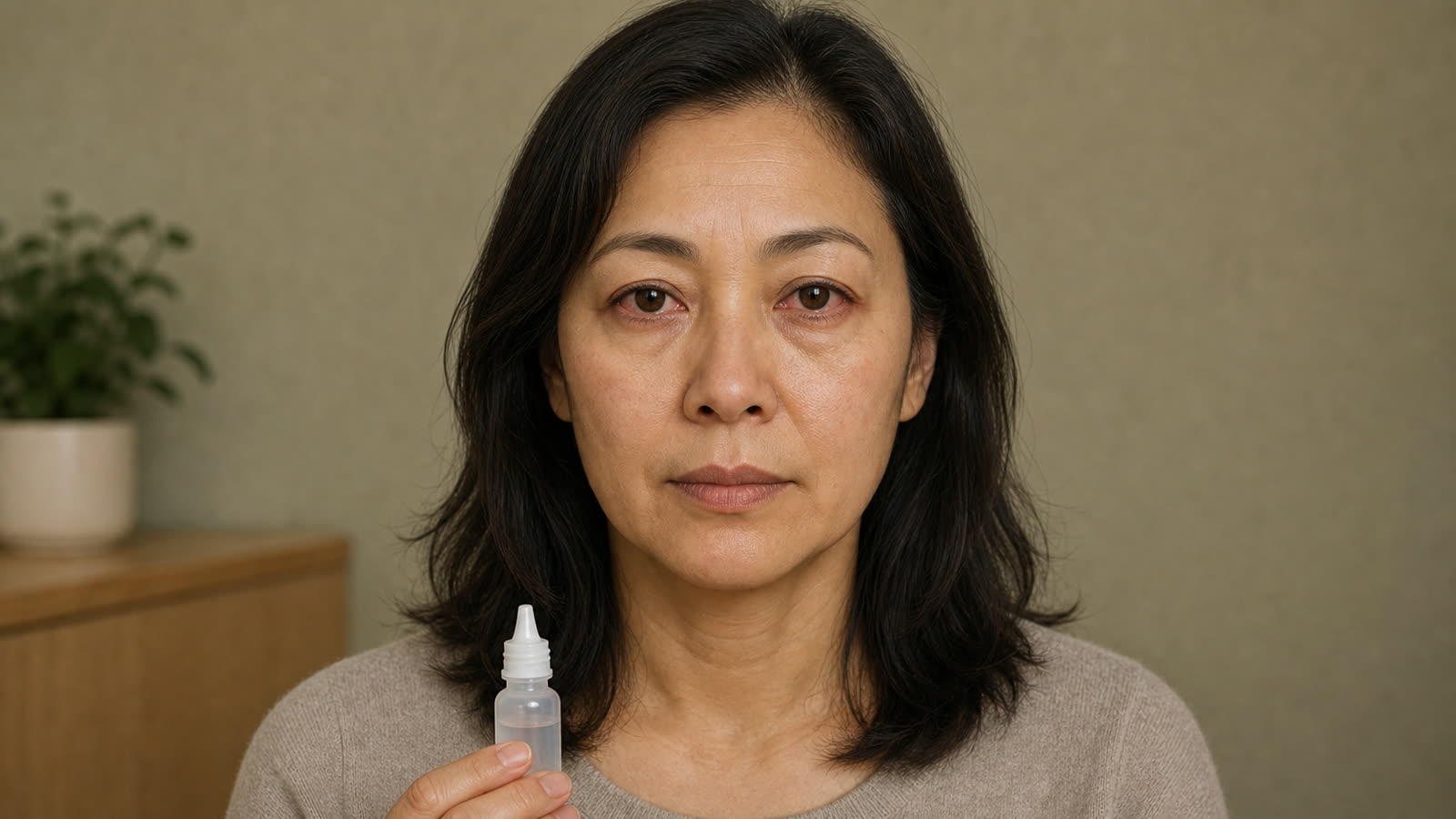






When the edge of the eyelid is congested—such as with chronic blepharitis, Demodex mites, or in preparation for IPL or i Lux treatments. Your optometrist will determine if this is right for you.
Morning crusts and small flakes at the base of the lashes that home wipes can no longer remove.
Itching and persistent burning of the eyelids, even with regular cleaning.
Demodex mites at the base of the lashes— common after age 50 or in patients with rosacea.
Preparation before Opti Light IPL or i Lux: a clean eyelid margin can improve response to the next treatment.
Contact lens wearers who have deposits on the eyelid margin that soil lenses and reduce comfort.
Certain conditions can make ZEST unsuitable, sometimes only temporarily. The optometrist will always check for these before each session.
Known allergy to okra or similar plants that compose the Zocular gel.
Open wound, stye, active herpes, or weeping skin at the lash line.
Active conjunctivitis — red eye, yellowish discharge, or swollen eyelid.
Eyelid surgery, lesion removal, or laser surgery (LASIK, PRK) performed within the last 4 to 6 weeks.
Ongoing ulcer or corneal abrasion.
Three clearly defined phases for a predictable experience. No preparation is needed at home, and there is no downtime after the session.
THE CARE EXPERIENCE
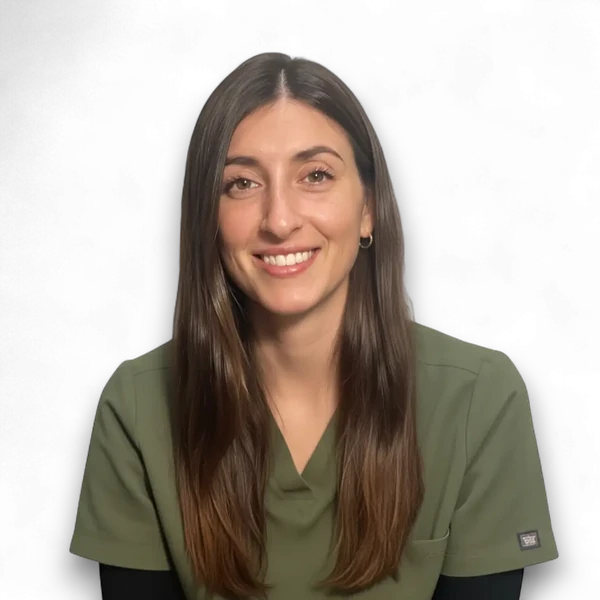
A registered nurse trained in pediatrics at Sainte-Justine Hospital, Karine Charbonneau later specialized in the dry eye clinic. Recognized by her patients for her gentleness, patience, and attentiveness, she supports each individual with precision and care, from the first appointment to long-term follow-up.
.jpg)
With an approach that combines Softness, Transparency and Great Meticulousness, Carolane ensures that each patient immediately feels confident and safe.
Its objective is simple: to make your care experience as comfortable as it is effective.
With a rich nursing experience that began in 2014, Carolane has enriched her expertise with a background in Medical Aesthetic Treatments To offer you the most recent protocols.
Passionate about improving the quality of life, she is entirely dedicated to supporting you with listening and professionalism throughout your career at the CARE clinic.

An optometrist and founder of the CARE Clinic, Dr. Francesca Olinga understands dry eye because she has experienced it. Experienced in the management of complex cases (neuropathic pain, demodex, chalazions), she uses innovation and attentive listening to guide you toward improved eye comfort.