Three key actions: modify cell permeability (electroporation), liquefy blocked Meibomian glands, and help calm chronic inflammation along the eyelid margins.
The JETT Plasma generates small electrical impulses that temporarily modify the permeability of the eyelid cells. This facilitates fluid exchange and the natural cellular response.
The impulses liquefy the blocked sebaceous oils in the eyelid glands. The natural flow can then resume.
The JETT helps to reduce chronic inflammation of the eyelid margins, often responsible for refractory blepharitis and recurrent chalazia.

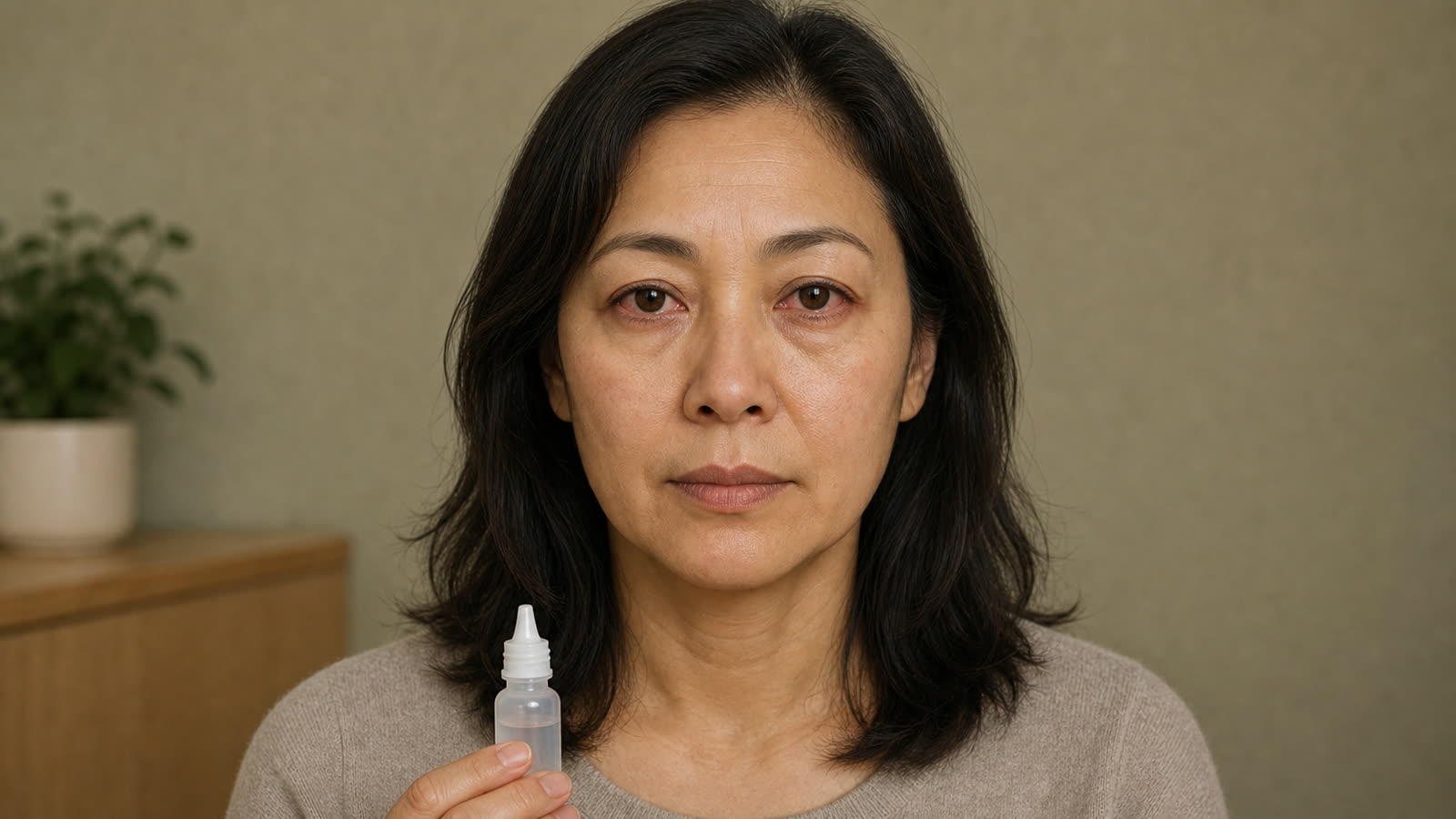


In several cases where chronic eyelid inflammation no longer responds to usual care. The optometrist will decide which situation matches your case.
Chronic blepharitis that no longer responds to warm compresses, eyelid cleaning, or usual treatments.
Blocked eyelid glands (MGD) with dry eye and blurred vision at the end of the day.
Chalazion that recurs frequently or multiple recurring chalazia on the eyelids.
Persistent dry eye after treatment with Accutane or Roaccutane.
Chronic inflammation of the eyelid margins with redness and burning that persists.
JETT Plasma uses an electric current—certain conditions make this treatment unsuitable. Your optometrist will systematically check for these before your session.
Pacemaker, defibrillator, or any implanted electronic device that may be affected by electrical current.
Epilepsy or uncontrolled seizures.
Piercings, metallic jewellery, or tattoos in the eyelid area must be removed prior to the session.
Anticoagulants or bleeding disorder — to be coordinated with your physician before the session.
Dark skin — rare risk of lighter or darker spots, to be discussed before the session.
Three clear steps: assessment and planning, application of pulses, and immediate recovery.
The optometrist examines your eyelids, glands, and tear film. They check for any contraindications and plan the appropriate number of sessions.
The optometrist applies plasma pulses to the four eyelids, in small areas. Slight tingling or diffuse warmth. No anesthesia.
No downtime. You're back right away. Slight redness or swelling for a few hours. Avoid makeup for 24 hours and sun for 48 hours.
THE CARE EXPERIENCE

An optometrist and founder of the CARE Clinic, Dr. Francesca Olinga understands dry eye because she has experienced it. Experienced in the management of complex cases (neuropathic pain, demodex, chalazions), she uses innovation and attentive listening to guide you toward improved eye comfort.
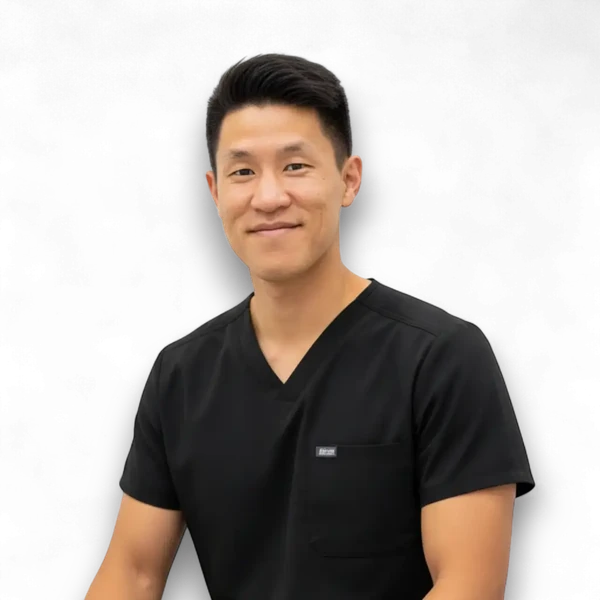
An optometrist and member of theOOQ, Dr. Daniel Nguyen splits his practice between eye exams in an optometry clinic and advanced management of dry eye conditions at the CARE Clinic. This dual practice provides him with a comprehensive view of his patients' visual health, from routine screenings to cutting-edge therapeutic protocols. dry eye Biography of Karine Charbonneau
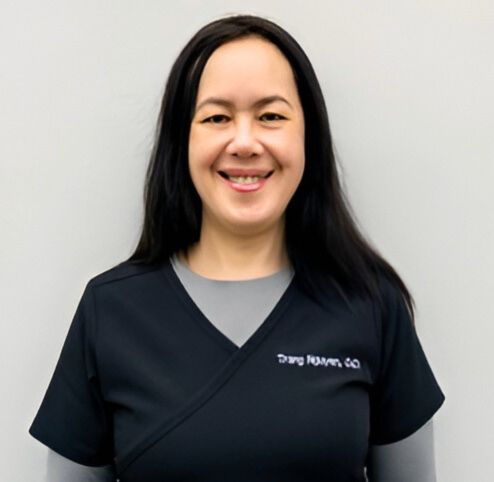
Optometrist with over 30 years of experience and speaker for eye care professionals. Dr. Nguyen has experience in improving visual quality affected by dry eye. She supports her patients in reconciling their aesthetic goals (makeup, cosmetics) and optimal eye comfort.