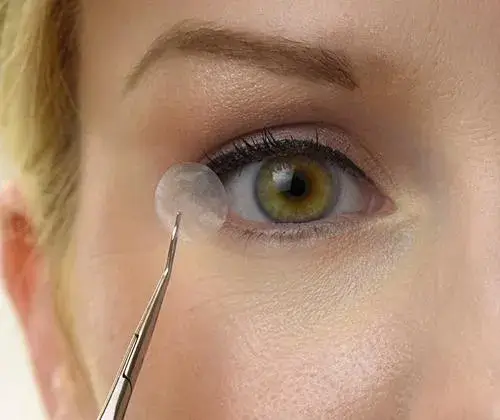
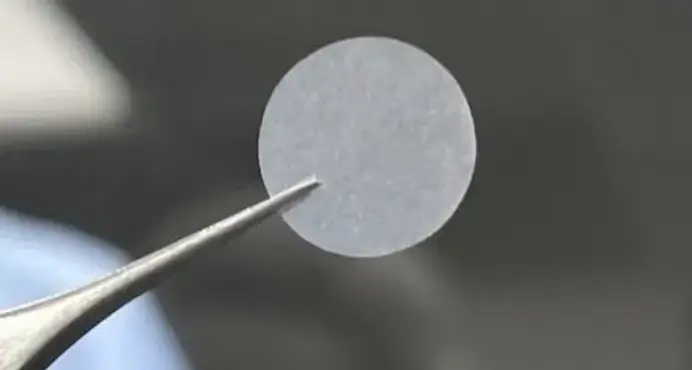
Three actions in one: physical protection, natural healing factors, and anti-inflammatory properties.
The membrane covers the damaged area of the cornea and protects it from friction from the eyelid with each blink. This protection allows the cornea to heal.
The membrane contains natural proteins that help the cornea repair itself. Your tears gradually release them as the membrane dissolves.
The membrane also has properties that soothe inflammation on the ocular surface and may reduce the risk of scarring on the cornea in the long term.
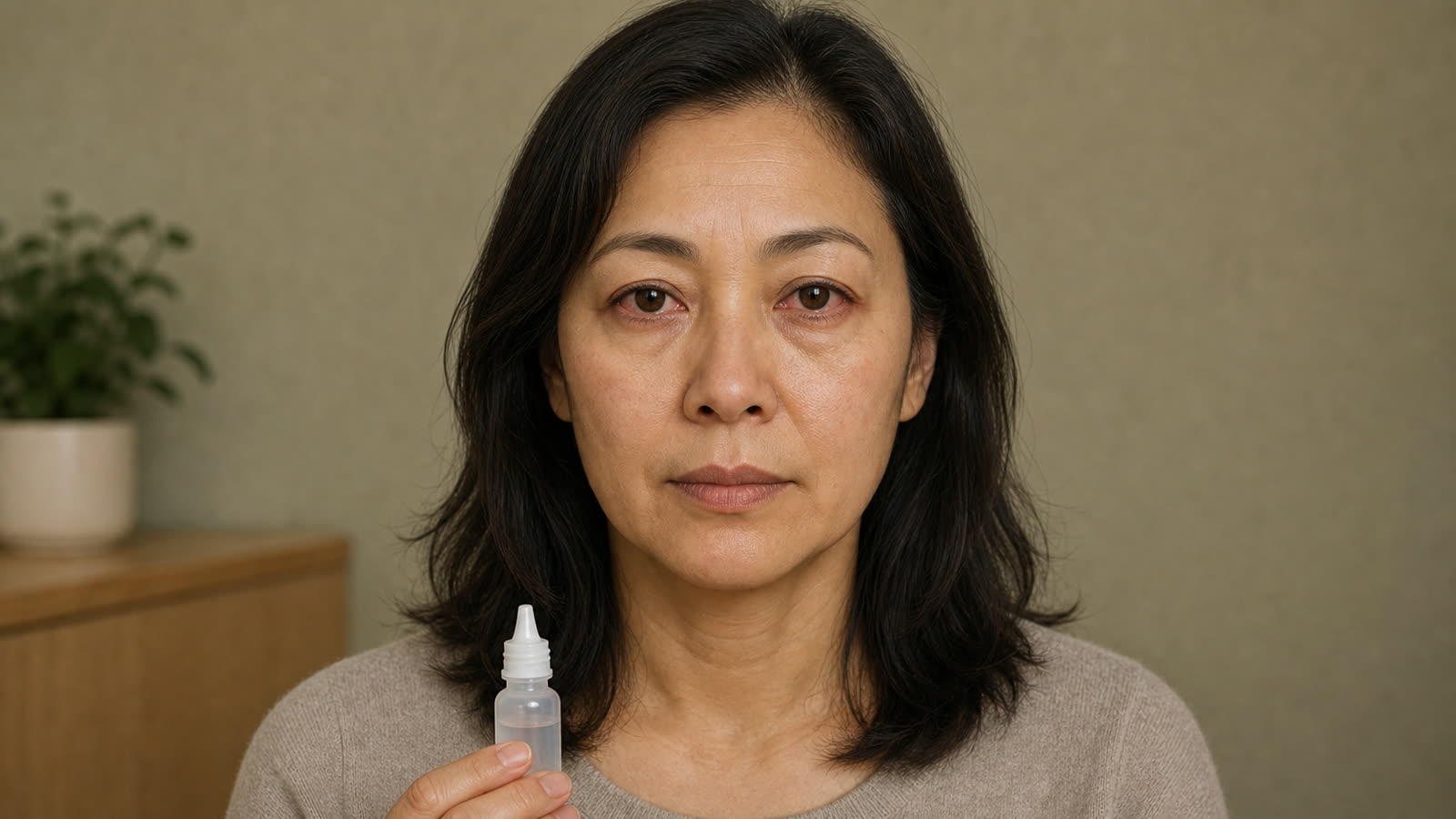


There are several situations where the cornea needs extra support to heal. Your optometrist will determine which applies to you.
Severe dry eye with pain and blurred vision, even with lubricating drops.
Keratitis or corneal abrasion with an open wound that does not close.
Recurrent corneal erosion with pain upon waking and frequent tearing.
Sjögren’s syndrome with corneal lesions and severe dryness that do not respond to usual treatments.
Post-LASIK discomfort with dryness and corneal lesions that are not healing.
Certain situations make the placement unsuitable or require further discussion. Your optometrist will always assess these factors before proceeding.
Active infection of the cornea — bacterial, viral, or fungal.
Known allergy to any component of the membrane or to preservative antibiotics.
Glaucoma filtration bleb or drainage implant in the application area.
Severe blepharospasm or inability to keep the eye open during placement.
Unable to attend in-clinic follow-up within 7 days of the procedure.
Three clear steps for a quick, comfortable procedure with little to no downtime.
The optometrist examines your cornea, tear film, and the surface of the eye with a slit lamp. They check for any active infection, then apply a topical anesthetic drop.
The optometrist gently places the dehydrated membrane directly onto the cornea. Your natural tears rehydrate it in seconds. No pain.
You can leave immediately and resume your activities. The membrane dissolves naturally over a few days. A 7-day follow-up appointment is scheduled to check on the healing process.
THE CARE EXPERIENCE

An optometrist and founder of the CARE Clinic, Dr. Francesca Olinga understands dry eye because she has experienced it. Experienced in the management of complex cases (neuropathic pain, demodex, chalazions), she uses innovation and attentive listening to guide you toward improved eye comfort.
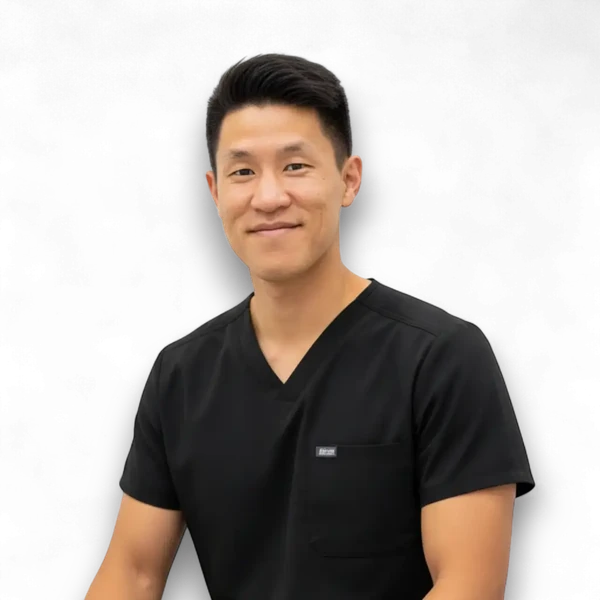
An optometrist and member of theOOQ, Dr. Daniel Nguyen splits his practice between eye exams in an optometry clinic and advanced management of dry eye conditions at the CARE Clinic. This dual practice provides him with a comprehensive view of his patients' visual health, from routine screenings to cutting-edge therapeutic protocols. dry eye Biography of Karine Charbonneau
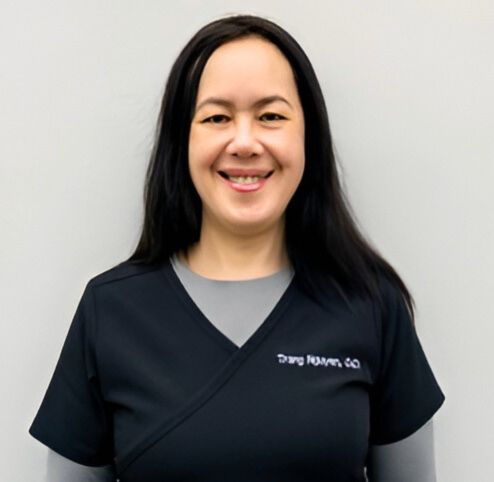
Optometrist with over 30 years of experience and speaker for eye care professionals. Dr. Nguyen has experience in improving visual quality affected by dry eye. She supports her patients in reconciling their aesthetic goals (makeup, cosmetics) and optimal eye comfort.