



.svg)


.jpg)

Key Points to Remember
A chalazion that pierces itself can cause questions and even cause concern, which is normal. This article aims to provide reassurance and practical advice after this breakthrough. Here are the essentials to manage this situation calmly:
- A chalazion that empties itself is generally normal: It's often a sign that your body is healing. The accumulated liquid finds an exit naturally.
- Clean up right away to avoid infection: After the piercing, gently clean the area with a product that is gentle on the eyes.
- Important care after drainage: Keep the area clean and watch for unusual redness, pain, or discharge, which are possible signs of infection.
- Don't panic: A pierced chalazion usually does not require urgent care if you are attentive to hygiene.
- When to see an optometrist: Consult if the inflammation persists, worsens, or if your eyesight is affected.
- Chalazion and Stye are not the same: Stye is a bacterial infection, chalazion is an obstruction without direct infection. Both require care after drainage.
- Progressive healing: With proper care, the eyelid heals in one to two weeks. Be patient and follow the recommendations.
Managing a spontaneously pierced chalazion can be confusing, but it's a normal step. The rest of the article details these tips and explains when to see a specialist.
Introduction
A chalazion that empties spontaneously can surprise and worry. However, it is often a sign of natural healing. But questions arise: is this normal? What to do right after? When to consult?
Taking good care of a pierced chalazion is essential to avoid infection and promote good healing. This article explains the steps after drainage, the differences between chalazion and stye, and the signs that require consultation. You will know how to manage this process calmly.
How can a chalazion empty spontaneously?
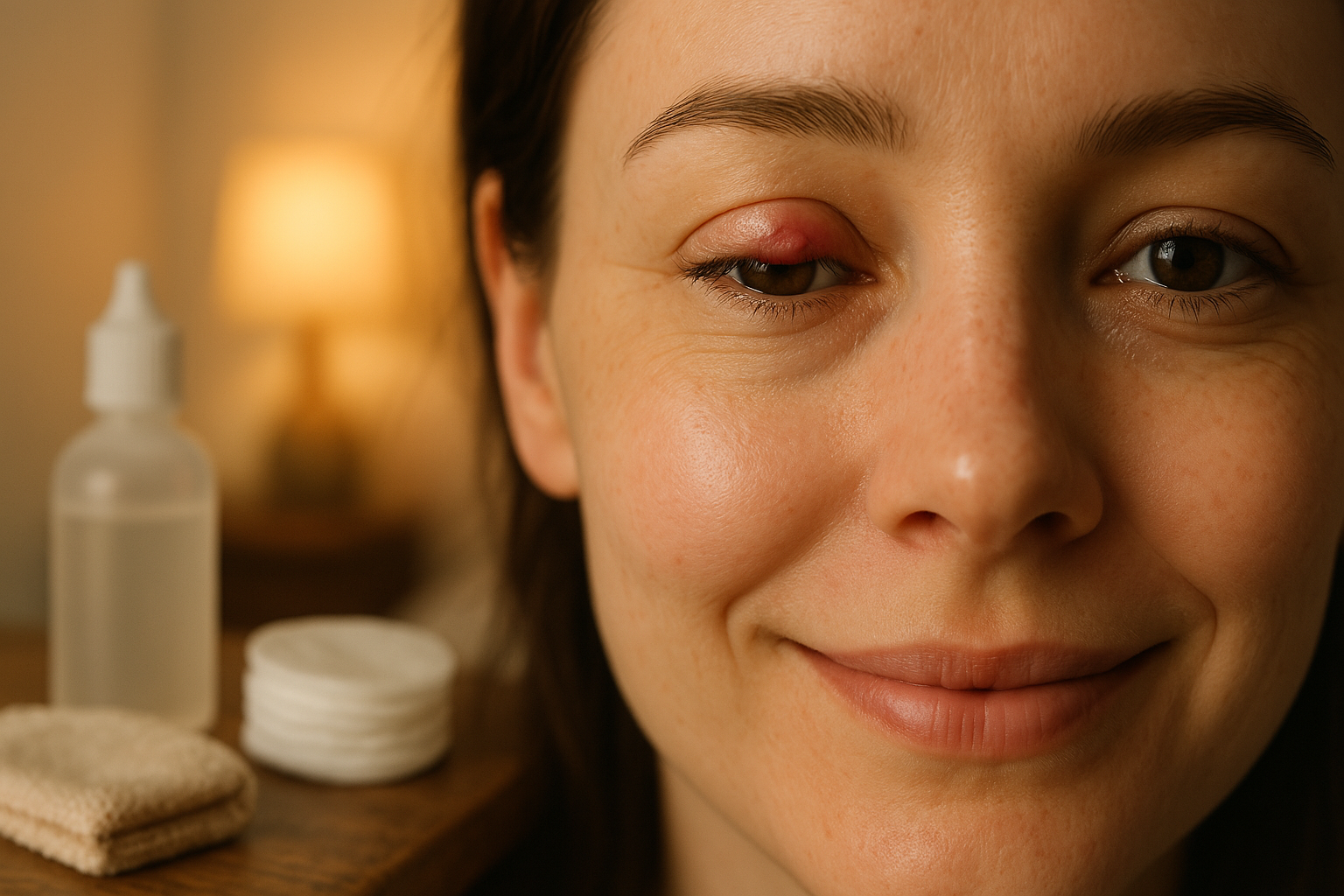
A chalazion is a small swelling on the eyelid due to the obstruction of a meibomian gland. These glands produce oil (meibum) that prevents the eye from drying out. When this oil builds up due to a blockage, it forms a kind of cyst. Sometimes this cyst gets pierced and emptied by itself.
The chalazion then releases an oily liquid or a little bit of pus. It may sound weird, but it's normal and part of the healing process. A small opening usually appears on the chalazion, often thanks to hot compresses that soften the contents.
Even though it is common, spontaneous drainage can be a cause for concern, especially if the eyelid remains red or sensitive. Understanding this process allows you to respond better and promote rapid healing without complications. It also makes it possible to distinguish between normal healing and infection.
The steps to follow after emptying a chalazion
A spontaneously pierced chalazion requires careful care to avoid complications. These simple steps are important for a speedy recovery:
1. Gently clean the area
- Clean gently with a clean compress and lukewarm water (boiled then cooled).
- Do not use soap or irritating products near the eye. Prefer a saline solution for the eyes.
The aim is to avoid bacteria and infection.
2. Apply a hot compress
Continue warm compresses after draining. This soothes, relieves, and helps the meibomian glands function normally.
- Place a hot compress (not burning) on the closed eyelid for 10 to 15 minutes.
- Do this 3 to 4 times a day for a few days.
It also limits the risk of other glands becoming obstructed.
3. Avoid squeezing
Don't squeeze the chalazion! You risk infecting the area or damaging the tissue, which slows healing.
4. Watch for signs of infection
Consult an optometrist if you observe:
- Redness that extends and intensifies.
- Swelling that persists or increases.
- Severe pain or unusual tenderness.
- Continuous or thicker yellowish discharge.
Consult quickly to avoid complications.
Why is emptying normal, but sometimes a source of stress?
Seeing the liquid drain can be a cause for concern. This is normal, any physical change, especially in the face, can be disturbing. But it is a natural reaction: the accumulated liquid is evacuated, the gland is unblocked.
The visual aspect (liquid, redness, pain) can be impressive. Remember that this is often a sign of recovery.
Simple care is usually enough to heal well. If in doubt, consult an optometrist. A review and personalized advice can put your mind at ease.
Tips to avoid new chalazions
To avoid new chalazions:
1. Eyelid hygiene
Clean your eyelids regularly with wipes or cotton swabs and a mild solution. This removes impurities that clog the glands.
2. Eye hydration
If you wear contact lenses, remove them at night and avoid wearing them for too long, especially in a dry environment. Use moisturising drops if needed.
3. A diet rich in good fats
Omega-3 (fatty fish, nuts, flaxseeds) thin the secretions of the glands. Incorporate them into your diet or take supplements after medical advice.
4. Stress Management
Stress and fatigue promote chalazions. Practice relaxation, meditation, or sports.
These changes can prevent recurrences.
Reassure and ease the feelings associated with emptying
Anxiety about an empty chalazion is normal. Here are a few tips:
- It is natural. The liquid is accumulated sebum. It's a healing process.
- Give your body time. It will take a few days for the skin to heal. Please be patient.
- Talk to a professional. An optometrist or doctor can reassure you.
If anxiety persists, take a deep breath. Chalazions are temporary and usually heal without problems.
When should I see an optometrist?
Consult if:
- Inflammation persists for more than 2 weeks after drainage.
- You have unusual symptoms: increased pain, visual discomfort, intense redness, purulent discharge.
- Chalazions often come back or get bigger.
- You have a history of eye problems or wear contact lenses.
The optometrist will examine your eyes and suggest treatment if necessary (corticosteroids, intense pulsed light (IPL), photobiomodulation, in-clinic eyelid cleaning, minor surgery, specific treatments).
Conclusion
A chalazion that empties itself is natural and often positive. Clean the area, apply warm compresses, and watch for signs of infection.
Good hygiene, omega-3 and stress management prevent recurrences. If in doubt, consult a professional.
Understanding how your body works and adopting the right reflexes will help you manage the situation and promote rapid healing.
FAQs


Do not tolerate discomfort anymore. Take action now.
