



.svg)


.jpg)

Key points
- It is essential to understand the two main categories of blepharitis: Blepharitis is divided into two main types: anterior (which affects the base of the eyelashes) and posterior (linked to the meibomian glands). Each type requires a different approach to diagnosis and treatment.
- The causes are varied, ranging from infections to skin disorders: Causes include bacterial infections, excess sebum, the presence of parasites (such as Demodex), or conditions such as ocular rosacea. Identifying the underlying cause is essential for targeted treatment.
- The symptoms interfere with daily life: Patients often describe itching, burning, scabs on the edge of the eyelids, or temporary blurred vision. These signs can affect quality of life if left untreated.
- Careful eyelid hygiene is essential: Daily eyelid cleaning using a hot compress or specialized products remains the cornerstone of blepharitis treatment.
- Treatments vary depending on the case: Treatments include hot packs, specific cleanings, antibiotics (topical or oral), or even solutions to control factors such as rosacea. It is recommended to consult an optometrist for resistant forms.
- Ignoring blepharitis can lead to complications: Chronic or neglected cases can cause chalazions, eyelid infections, or affect the ocular surface, increasing the risk of dry eyes.
Blepharitis, while frustrating, can be controlled with proper care and medical follow-up. In the rest of this article, we will explore in detail the approaches that are essential to effectively diagnose and treat this condition.
Introduction
Blepharitis is one of the main causes of chronic eyelid discomfort, which affects millions of people every year. Yet, despite its prevalence, its symptoms and causes often remain poorly understood, making it more difficult to treat than it should be.
This condition, which results from inflammation of the eyelids, can occur in various forms, ranging from anterior blepharitis, which affects the base of the eyelashes, to posterior blepharitis, which is linked to the meibomian glands. Knowing these distinctions and understanding what triggers this condition, such as bacteria, parasites, or underlying disorders, is essential to better control it.
Together, we will explore how to identify causes, recognize symptoms, and structure an effective care plan to ease eyelid inflammation and prevent possible complications.
Understanding blepharitis
Blepharitis is an inflammation of the eyelids that mainly affects the edge of the eyelashes. It often causes redness, itching, and burning sensations. This problem can affect not only the appearance of the eyelids, but also the quality of tears and, as a result, eye health in general. There are two main forms of blepharitis: Anterior and Posterior.
Anterior or posterior blepharitis
- Anterior blepharitis: This type affects the outer part of the eyelid, around the lashes. It is often linked to bacterial overload or skin problems such as seborrheic dermatitis.
- Posterior blepharitis: Involving the meibomian glands, it occurs on the inside of the eyelid and is frequently associated with meibomian gland dysfunction (DGM). This can cause the tear film to be of poor quality.
While these two types share common symptoms, their treatment and management may vary. For example, posterior blepharitis often requires specific attention to the meibomian glands.
The impact on tears
Blepharitis can disrupt the lipid layer of tears, causing dry eyes and tear film instability. This can worsen symptoms, such as blurred vision, irritation, or a foreign object sensation in the eye.
Improving eyelid health depends on a clear understanding of the causes and risk factors that contribute to this condition.
To better understand this condition, let's explore its causes and risk factors.
Causes and risk factors
Blepharitis is a multifactorial disease in which several factors may play a role. These causes often include bacterial infections, parasites such as dust mites Demodex or underlying diseases. Here are the main factors:
Common causes
- Excess bacteria: Bacteria that normally live on the skin can multiply excessively, causing irritation and inflammation.
- Meibomian gland dysfunction (DGM): When these glands, which are responsible for producing oil in tears, are obstructed, it can lead to later blepharitis.
- Demodex (dust mites): These small parasites colonize the base of the lashes, causing irritation and specific scales.
- Inflammatory diseases: Conditions such as rosacea or seborrheic dermatitis can trigger or worsen blepharitis.
- Environmental Factors: Pollution, poorly cleaned makeup, or allergies can contribute to inflammation.
It is important to note that these factors are not exclusive to any one demographic group; they can affect people of all ages and backgrounds. For example, in the healthcare sector, professionals who regularly wear masks may be more likely to suffer from blepharitis due to the hot and humid environment created around the eyes. Likewise, in the construction sector, exposure to dust and debris can exacerbate the condition.
Risk Factors
- Advanced age, often linked to an increase in infestations of Demodex.
- Poor eyelid hygiene.
- Chronic skin conditions such as eczema or rosacea.
- Eye equipment, such as lenses that are not properly maintained.
These elements can combine to trigger blepharitis or make treatment more difficult.
Understanding these risk factors allows people to take preventive measures and seek treatment quickly if symptoms occur.
Now let's look at the signs that could indicate the presence of blepharitis.
Symptoms and diagnosis
People with blepharitis may experience unpleasant symptoms in the eyes and eyelids. The condition may be uncomfortable, but recognizing the signs allows for faster treatment.
Common symptoms
The symptoms of blepharitis include the following:
- Itching and irritation: A permanent tingling or burning sensation
- Redness: The eyelids may become swollen and red.
- Morning scabs: Sticky deposits or scabs frequently appear after sleep.
- Light sensitivity: Photophobia may occur.
- Blurred vision: Caused by an unstable tear film.
- Lash loss or discoloration: This can be observed especially in severe cases.
The presentation of these symptoms can vary greatly from person to person. Some people may only experience mild irritation, while others may experience significant inflammation and discomfort. It is essential to note that these symptoms can also be indicative of other eye conditions, which highlights the importance of a professional diagnosis.
Diagnosis
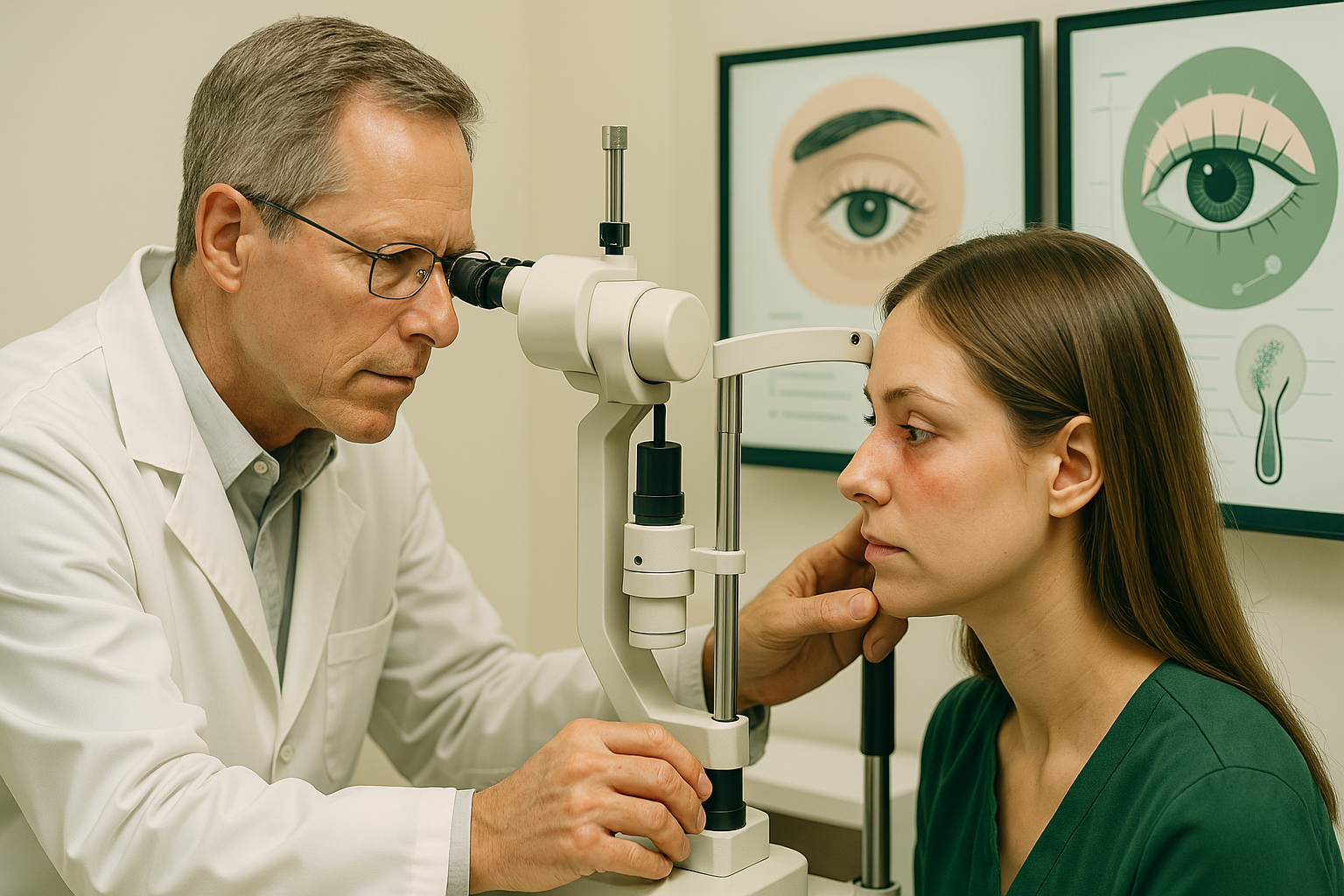
To diagnose blepharitis, an optometrist will examine your eyelids under a special microscope (slit lamp). They will check:
- The presence of scales around the eyelashes.
- An obstruction of the meibomian glands.
- Signs of severe or chronic inflammation.
In addition to the physical exam, the optometrist may also gather information about your medical history and lifestyle in order to identify potential factors that contribute to your condition. This may include questions about your skin care routines, makeup use, and any underlying conditions you may be suffering from.
Transition: While symptoms may vary, potential complications should also be considered.
Associated complications
If left untreated, blepharitis can cause a variety of complications that have an impact not only on the eyelids, but also on the eyes themselves:
Common complications
- Styes and chalazions: Inflammation can cause painful bumps on the eyelids.
- Keratitis: Prolonged irritation can cause damage to the cornea, causing visual discomfort.
- Height of the eyelids (poorly closed): Permanent changes in the shape of the eyelids may prevent their complete closure.
- Reduced vision: Because of dry eyes or corneal complications.
These complications can have a significant impact on a person's daily life. For example, keratitis can cause sensitivity to light, making it difficult to perform outdoor activities or work in bright environments. Likewise, altered eyelids can affect a person's ability to sleep comfortably, leading to fatigue and reduced productivity.
The worsening of these complications shows the importance of prompt treatment and management.
So what are the best options for treating this condition? Let's look at that in detail.
The best treatment options
Treatment for blepharitis often requires a combination of home care and professional interventions. Here are the approaches that are commonly used:
Managing blepharitis in the home
- Eyelid hygiene: Clean the eyelids daily with a cotton pad dipped in lukewarm water. Specially formulated eye cleansers can be helpful.
- Hot compresses: They help to dissolve obstructions in the meibomian glands.
- Eyelid massage: After a hot compress, gently massage your eyelids to promote gland drainage.
- Eyelash cleaning: If Demodex infestation is suspected, tea tree products can reduce dust mites.
The effectiveness of these home remedies can vary from person to person. Some people may experience significant relief with regular cleaning and warm compresses, while others may need additional medical interventions. It is essential to be patient and consistent with these treatments and to consult a health professional if symptoms persist or worsen.
Medical treatments
- Topical antibiotics: For severe cases, antibiotics in the form of ointment or eye drops may be prescribed.
- Anti-inflammatories: In some cases, mild steroids can ease the inflammation quickly.
- IPL (intense pulsed light): This therapy helps treat meibomian gland dysfunction by reducing the obstruction.
In addition to these treatments, optometrists may also recommend other therapies, such as artificial tears to lubricate the eyes and relieve dryness, or dietary supplements containing omega-3 fatty acids to promote healthy tear production.
And to prevent recurrences, what long-term strategies should be adopted?
Long-term prevention and management
Avoiding the recurrence of blepharitis requires regular efforts and attention to eye hygiene.
Practical advice
- Maintain a cleaning routine daily for the eyelids.
- Avoid heavy eye makeup, or be sure to always take it off before going to sleep.
- Reduce environmental causes such as prolonged exposure to the screen or dust.
- Consult an optometrist regularly to check the condition of your meibomian glands.
For people who work in sectors where they are exposed to environmental factors that can exacerbate blepharitis, such as construction or agriculture, taking extra precautions to protect their eyes is critical. This may include wearing safety glasses to prevent dust and debris from getting into the eyes, and regularly cleaning the eyelids to remove irritants.
Proactive management significantly reduces the risk of relapse.
Conclusion
Blepharitis, while common, can dramatically affect eye health and comfort if left untreated. Understanding its types, causes and impacts on the tear film makes it possible to better recognize its symptoms and to adopt an effective approach for management and prevention. Whether it's regular eyelid hygiene, hot compresses or targeted medical treatments, appropriate care can prevent complications and reduce recurrences.
In today's world, where screens and environmental factors can put a strain on our eyes, it's more important than ever to prioritize the health of our eyelids. By adopting a proactive eye care routine and seeking professional advice when needed, we can minimize the impact of blepharitis and enjoy clear, comfortable vision for many years to come. The future of eye care depends on our ability to adapt to new challenges and adopt innovative solutions.
Adopting a proactive eye routine and consulting a professional when needed are key steps in maintaining good eye health. Acting quickly and staying alert are key to minimizing the impact of this condition and promoting long-term comfort.
FAQs
Acute blepharitis occurs suddenly and can be intense, while the chronic form persists over the long term with phases of remission and worsening.
If symptoms don't respond to home treatments or if complications such as blurred vision or a stye occur, it's time to seek medical attention. Ultimately, a proactive approach to eyelid health, which includes regular cleaning, risk factor management, and regular checkups by an eye care professional, is essential to effectively manage and prevent blepharitis. With the right information and appropriate management, it is possible to effectively control this uncomfortable condition and improve its visual quality of life.


Do not tolerate discomfort anymore. Take action now.
