



.svg)


.jpg)

Key Points to Remember
Diet plays an important role in managing the symptoms of ocular rosacea. In addition to the usual advice, a personalized and proactive approach is essential to get the most out of it. Here are the key things you need to remember to make positive, long-term dietary changes.
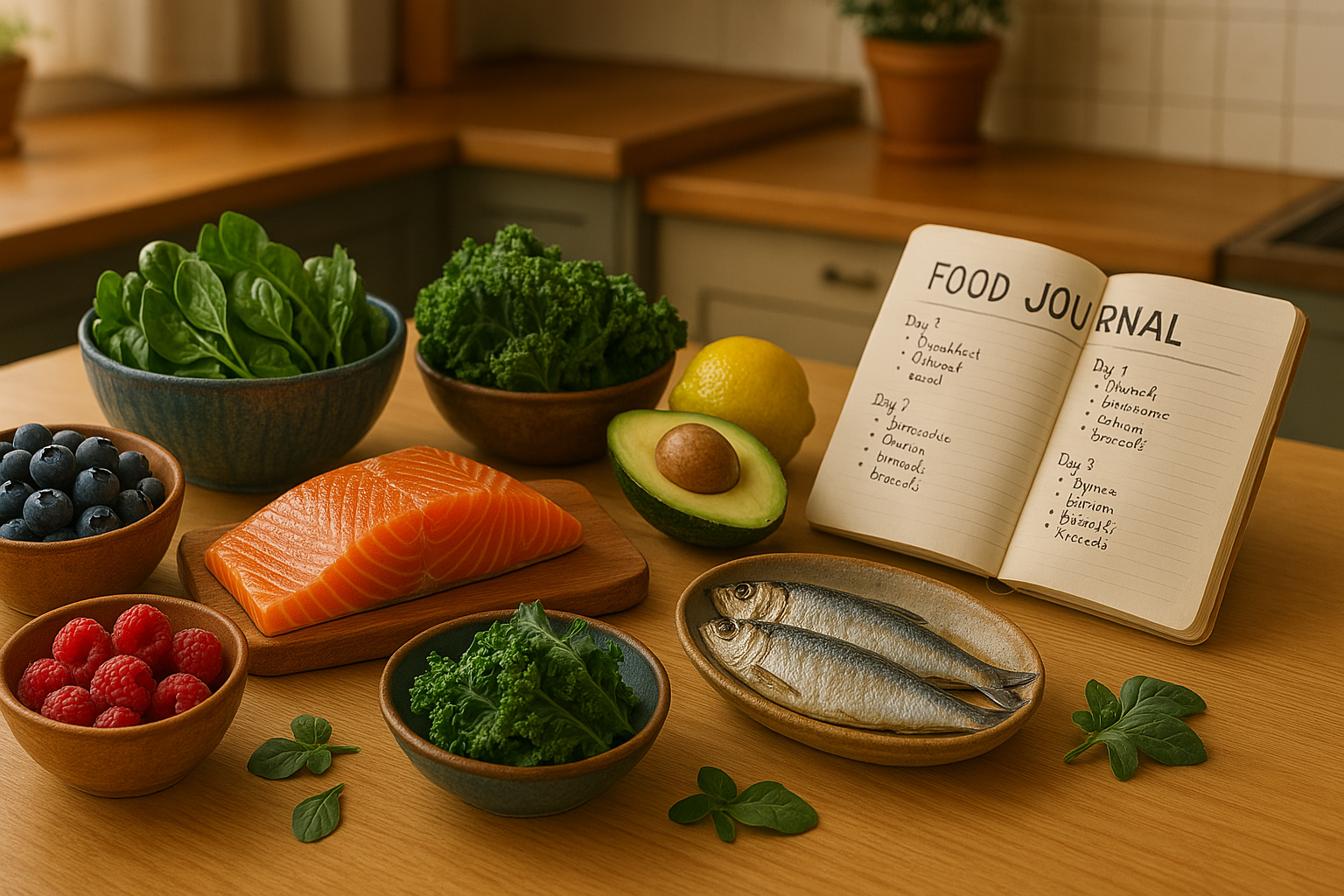
- Identify your triggers with a personalized food journal: Writing down exactly what you eat allows you to identify foods or habits that worsen your symptoms. This targeted approach helps you adapt your diet effectively.
- Choose an Anti-Inflammatory Food to Soothe the Eyes: Foods rich in omega-3, antioxidants, and vitamins, such as fatty fish (salmon, mackerel), leafy green vegetables (spinach, kale), and red fruits (blueberries, raspberries), help reduce eye inflammation associated with rosacea.
- Beware of Histamine Found in Some Foods: Foods that are high in histamine, such as fermented charcuterie, alcohol (especially red wine), aged cheeses, and canned or smoked foods, can trigger seizures. Adjust your diet to consume less and observe your personal tolerance.
- A balanced diet can limit flare-ups: Avoid foods that are industrialized and high in added sugars, which tend to increase inflammation. Eat a simple diet based on unprocessed and natural foods, such as fruits, vegetables, lean meats, and whole grains.
- Optimal hydration for better eye health: Drink enough water throughout the day and add anti-inflammatory drinks, such as green tea or chamomile tea, to moisturize your eyes and calm irritation.
- The Often Underestimated Role of Eating Habits: Avoid meals that are too hot or spicy, which can irritate the eyes. Eat reasonable portions and regular meals to limit the risk of irritation due to changes in blood sugar.
- A Psychological Ally: An Appropriate Diet Reduces Stress Related to Symptoms: Eating regularly and adapted to your needs can give you a better sense of control and improve your well-being in the face of this chronic condition, by reducing the stress associated with symptoms.
By combining a personalized, balanced diet rich in beneficial nutrients, you will help relieve your eyes naturally while improving your comfort and quality of life on a daily basis. Read on for more detailed advice on each aspect of diet and ocular rosacea.
Introduction
Imagine being able to reduce the symptoms of your ocular rosacea simply by changing your diet. What if your food choices had a bigger impact on managing this chronic condition than you thought?
Ocular rosacea can be annoying and sometimes disabling. However, a targeted and balanced diet can help reduce inflammation and the frequency and intensity of irritations. By identifying your trigger foods and adopting adapted eating habits, you could soothe your eyes and regain better balance and a better quality of life.
Let's discover together how a personalized dietary approach can help you better manage ocular rosacea and reduce its unpleasant effects, one meal at a time.
What Foods Can Trigger Ocular Rosacea Symptoms?
People who suffer from ocular rosacea often find that certain foods make their symptoms worse. While these trigger foods vary from person to person, certain food categories are singled out more often.
1. Histamine-rich foods

- Histamine is a substance that occurs naturally in many foods, especially fermented or refined foods. For example:
- Red wine (often more problematic than white wine)
- Mature cheese (parmesan, roquefort, strong cheddar, etc.)
- Foods marinated or in brine (sauerkraut, pickles, olives)
- Dried charcuterie (salami, dried sausage, raw ham)
In some people, a large amount of histamine can trigger or worsen eye inflammation, causing redness, burning, itching, or irritation. This is often caused by being too sensitive to histamine or because the body has difficulty breaking it down and eliminating it.
2. Spicy and Spicy Foods

Spicy foods, such as very hot curries, hot chili sauces, or dishes with cayenne pepper, often cause redness in the face and eyes in people with rosacea. Spices, especially those that increase body temperature or blood flow, can dilate blood vessels and worsen inflammation.
3. Hot or Alcoholic Drinks

- Alcoholic beverages, in particular:
- Strong spirits (vodka, whiskey, gin)
- Wine (especially red, but also white depending on sensitivity)
- Beer (some, especially craft beer, may be high in histamine)
- Very hot drinks, such as coffee, tea, or hot soups, can also cause redness and burns, often because they dilate blood vessels and raise the temperature of the face and eyes.
4. Foods High in Refined Sugars and Processed Carbohydrates

Fast sugars, found in sweet desserts, sodas, industrial fruit juices, pastries, and processed products, can indirectly promote chronic inflammation. They cause spikes in blood sugar, which can increase the production of inflammatory substances in the body, including in the eyes and eyelids.
5. Products Rich in Trans Fats and Refined Oils
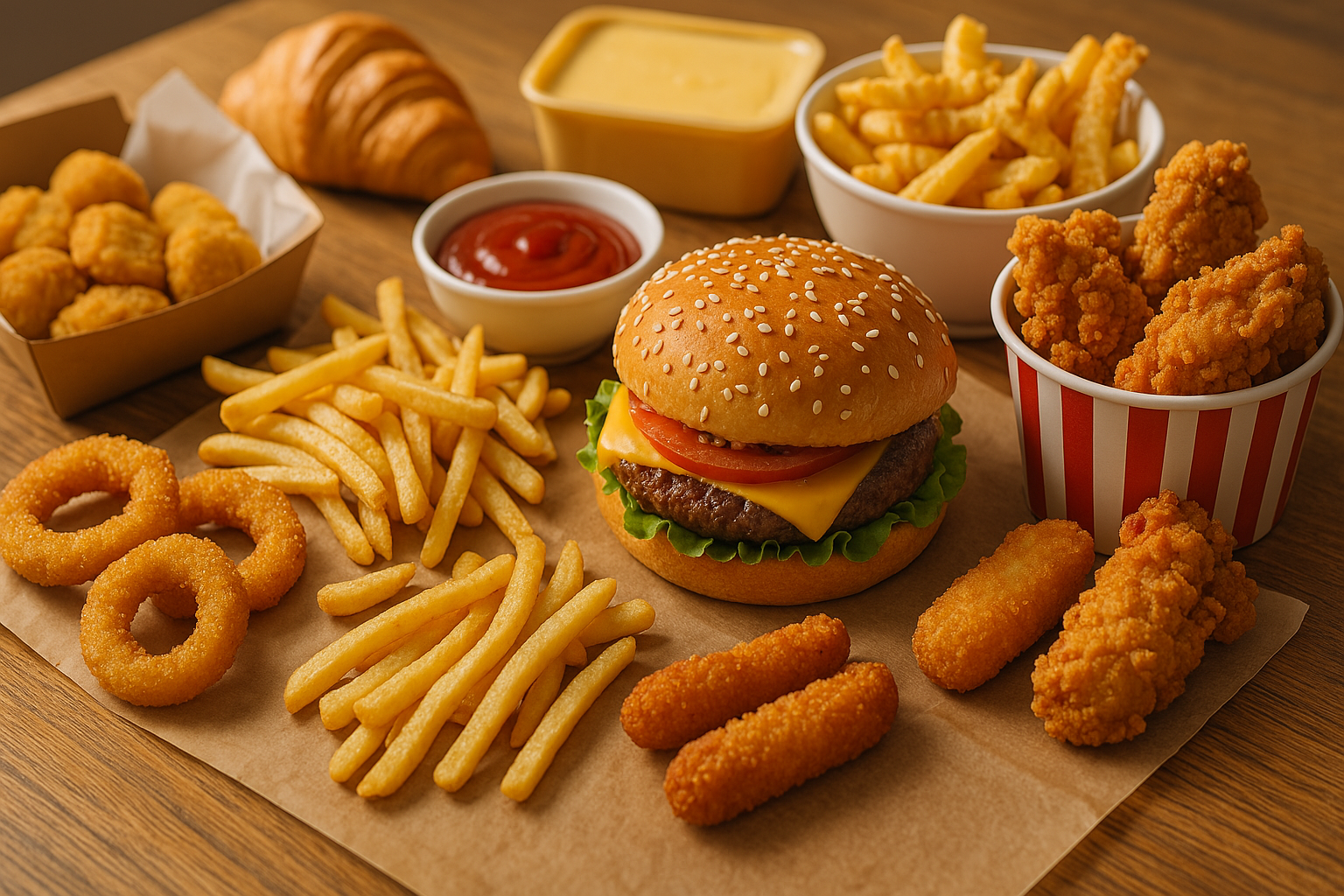
Fast food, fried foods, industrial pastries, margarines, and some processed products often contain low-quality trans fats or refined oils (sunflower oil, corn oil), which can worsen inflammation in people who are prone to ocular rosacea. These fats can disrupt the body's natural anti-inflammatory mechanisms.
What do you do when dealing with these triggers?
To identify foods that are making your symptoms worse, it's a good idea to keep a detailed food diary for several weeks. Record everything you eat and drink, as well as the onset or worsening of symptoms (redness, irritation, itching, dry eyes, etc.) a few hours or even days after each meal. A personalized approach, based on your observations, is essential to determine your triggers and adapt your diet.
It's important to note that the amount of a trigger food needed to cause a reaction varies from person to person. Some tolerate small amounts of red wine or aged cheese, while others react even to very low doses.
In the next part, we'll talk about anti-inflammatory foods that can ease the symptoms of ocular rosacea and balance your diet.
Conclusion
Managing ocular rosacea well often involves better understanding the trigger foods. Foods high in histamine, spicy foods, hot or alcoholic beverages, and products containing refined sugars or trans fats are often linked to worsening symptoms, including redness and inflammation. Since food reactions are very personal, keeping a food diary is a valuable tool for identifying your own sensitivities and better managing them.
By being proactive and adopting a personalized approach, it is possible to limit the impact of problem foods and to choose alternatives that are healthier for the eyes and body. Better understanding the links between diet and ocular rosacea makes it possible to better manage symptoms and improve the quality of life of those affected.
In the future, research may look at the role of the gut microbiome (the bacteria in the gut) in ocular rosacea. This could open up new ways of treatment and prevention based on the modification of intestinal flora through food or specific probiotics.
FAQs


Do not tolerate discomfort anymore. Take action now.
