Ocular rosacea

Ocular rosacea causes severe inflammation. Our evaluation identified the cause to finally calm your eyes permanently.
Schedule my assessment
It’s a good place to describe image

Are you experiencing unpredictable and painful eye “crises”?

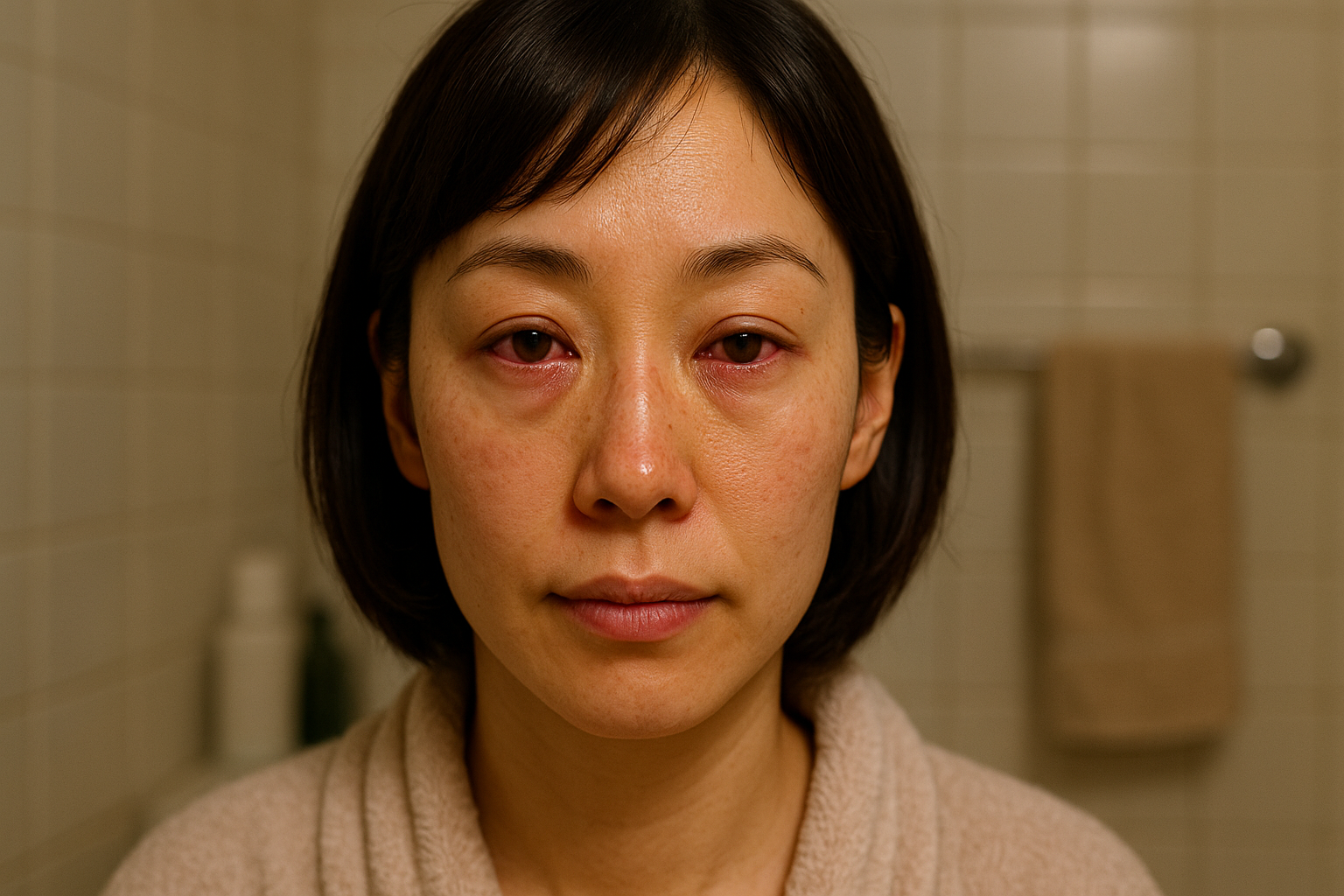
  • Intense, persistent redness (bloodshot eyes) that never goes away completely.
  • Extreme sensitivity to light (photophobia), making driving or working on a screen difficult.
  • Intense burning sensation that worsens with certain triggers (wind, sun, alcohol, spicy foods).
  • Small blood vessels visible on the white of the eye or the edge of the eyelids.
  • Do you also have redness on your face or very sensitive skin (cutaneous rosacea)?

These symptoms indicate chronic inflammation. Standard eye drops do not address this inflammation. Uncontrolled ocular rosacea can damage the surface of your eyes (cornea) and affect your vision in the long term. It's time to break the inflammation cycle.

Take Back Control: Calm Inflammation at the Source

Precise Diagnosis
Finally understand why your eyes are constantly inflamed.
Identifying Triggers
Find out what is causing your seizures to better avoid them on a daily basis.
Full Management Plan
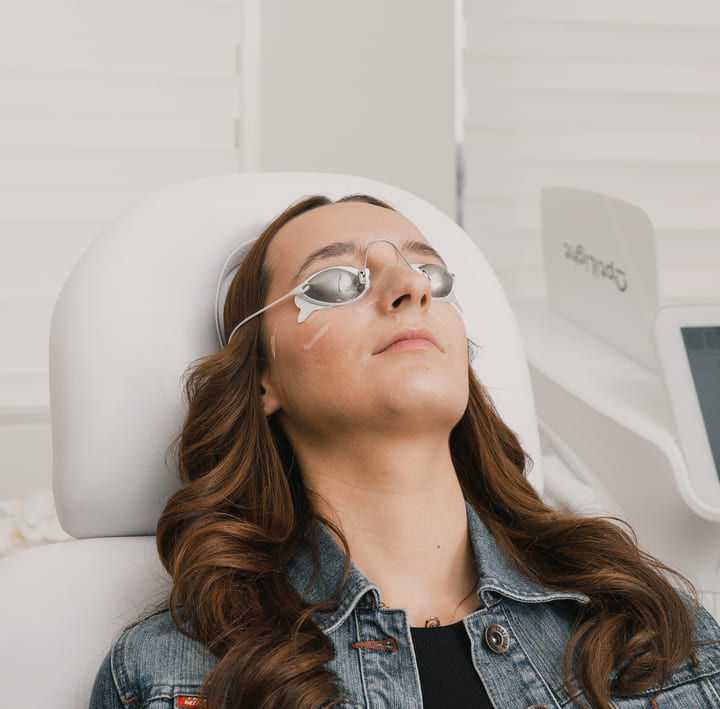
Receive a personalized strategy combining medical treatments (including advanced options such as IPL if relevant), complementary therapies and lifestyle adjustments.

Beyond Redness: Understanding and Soothing Ocular Rosacea

Identify the Ocular rosacea As the source of your discomfort is the first step in calming chronic inflammation and regaining permanently soothed eyes. This condition is much more than just redness; it is a major cause of eyelid inflammation (Blepharitis) and meibomian gland dysfunction (DGM). These combined problems very often lead to a Dry Eye Severe and May Cause the Recurrent Onset of Chalazions.

Ocular rosacea evolves in flare-ups, often triggered by specific factors that are important to know. Les Environmental triggers Such as exposure to the sun, wind or extreme temperatures are common. Some Dietary Factors, such as spicy food or alcohol, can also cause seizure. In addition, research has shown a close link with the proliferation of microscopic mites, Demodex, which worsen inflammation.

To the CARE Clinic, our comprehensive diagnosis aims to identify your personal triggers in order to establish an effective control strategy.

Histoire de patients

No items found.
No items found.
No items found.
THE CARE EXPERIENCE
Beyond treatments, we offer care rooted in listening and empathy. Each patient is unique, and our greatest satisfaction is restoring the comfort you thought you had lost.
An approach appreciated by our patients. Rated 5.0/5 on Google.

Meet your optometrists

Dre. Francesca Olinga
Optometrist

An optometrist and founder of the CARE Clinic, Dr. Francesca Olinga understands dry eye because she has experienced it. Experienced in the management of complex cases (neuropathic pain, demodex, chalazions), she uses innovation and attentive listening to guide you toward improved eye comfort.

Dr. Trang Nguyen
Optometrist

Optometrist with over 30 years of experience and speaker for eye care professionals. Dr. Nguyen has experience in improving visual quality affected by dry eye. She supports her patients in reconciling their aesthetic goals (makeup, cosmetics) and optimal eye comfort.

A Clear Approach for Peaceful Eyes

1

Holistic consultation

We discuss your symptoms (eyes and skin), your history, and potential triggers.
2

Inflammation Imaging and Tests

We use non-invasive, high-resolution imaging to visualize inflammation, abnormal blood vessels, and measure inflammatory markers.
3

Personalized Action Plan

You receive a clear diagnosis and a detailed road map for managing ocular rosacea.
Two Nimbus Library founders in a minimalist office, showcasing the professional and versatile use of the library.

Nos traitements spécialisés

No items found.
No items found.
No items found.
No items found.
No items found.
No items found.
No items found.
No items found.
FAQ
Can ocular rosacea be cured?

It is a chronic condition, but it can be managed very well to minimize symptoms and prevent damage.

What treatments do you offer for ocular rosacea?

There is no single treatment for ocular rosacea, but a personalized and multi-faceted approach that addresses both inflammation, eyelid health, and your personal triggers. At the CARE Clinic, our goal is to build a treatment plan that is tailored to provide you with lasting relief.

Depending on your case, our protocol may include:

  • Inflammation Treatment (The Core of Therapy):La Intense Pulsed Light (IPL) is often our first line of treatment. It targets and closes the small, abnormal blood vessels on the eyelids, which significantly reduces redness and inflammation, while improving the function of the meibomian glands.
  • Management of the Glands and Eyelids:We make sure to unclog and stabilize your glands to improve the quality of your tears through treatments such as deep cleaning. ZEST, manual expression or assisted heat treatment iLux®.
  • Supportive Therapies:
    • La Photobiomodulation (LLLT) can be used as a support to further decrease inflammation and pain.
    • One targeted treatment of Demodex mites is put in place if they are identified as a cause of your inflammation.
  • Stabilization and Advice:We complete the plan with suitable lubricants, the installation of Meatic plugs if necessary, and personalized advice on managing triggers (such as sun protection) and coordinating with a dermatologist. For the most severe cases, regenerative options such as PRGF may be considered.

The exact combination of these treatments will depend on the results of your full assessment. It is this in-depth analysis that allows us to create the most effective protocol for you.

I am already seeing a dermatologist. Why do I need this?

Ocular rosacea requires specific treatments for the surface of the eye that only eye health specialists can safely manage.

Do I have to have rosacea on my skin to have ocular rosacea?

No, ocular rosacea can occur before or without cutaneous signs in about 20% of patients.