



.svg)


.jpg)

Key points
Internal stye, a painful infection of the meibomian gland (a small gland that produces lubricating oil for the eye, located on the edge of the eyelid), can be confused with other problems like chalazion. Here are the important points to understand its causes, symptoms and effective treatments for rapid and appropriate treatment.
- It is essential to tell the difference between a stye and a chalazion : Unlike chalazion, internal stye is due to a bacterial infection and often requires antibiotics. A good diagnosis is therefore important.
- The causes of internal stye : A Meibomian gland is infected, often due to poor hygiene, excess sebum (skin fat) or eye friction. This can be avoided with better hygiene.
- Characteristic symptoms for quick diagnosis : Pain, redness, swelling, sometimes with pus. Chalazion, on the other hand, is painless. This makes it possible to clearly distinguish the two.
- Use Hot Compresses to Relieve : They decrease inflammation and make the pus more liquid, which helps to drain it. It is a simple and effective method to reduce suffering.
- Eyelid hygiene: a pillar of prevention : Regularly cleaning your eyelids decreases the risk of infection and the recurrence of internal styes. It is an essential habit for healthy eyes.
- When to See an Optometrist : If symptoms last more than a week or worsen, an optometrist may prescribe antibiotics or other treatments, such as local corticoids (anti-inflammatories).
- What to Avoid: Inappropriate Self-Treatments : Misdiagnosis can lead to inadequate treatments, which slows recovery and worsens the situation. It is important to see a doctor.
- The Average Healing Time : With proper treatment, an internal stye usually heals in 7 to 10 days.
Understanding the difference between internal stye and other similar problems makes it possible to choose the right treatment and avoid complications. The rest of this article details the solutions and practical advice to act effectively and improve your eye comfort.
Introduction
Internal stye, a painful infection of the meibomian gland (located on the edge of the eyelid), is often mistaken for other problems, such as chalazion. Identifying this problem well is essential in order to choose the right treatment and avoid complications.
Do you have pain in a specific area, the eyelid is red and swollen, and maybe there is pus? Maybe you have an internal stye. This article explains the causes, symptoms, and solutions for relieving inflammation and preventing recurrences.
We'll see how to tell the difference between an internal stye and a chalazion, how to properly clean your eyelids, and when to see an optometrist. This information will allow you to act quickly and well to alleviate discomfort and avoid possible complications.
What is an internal stye?
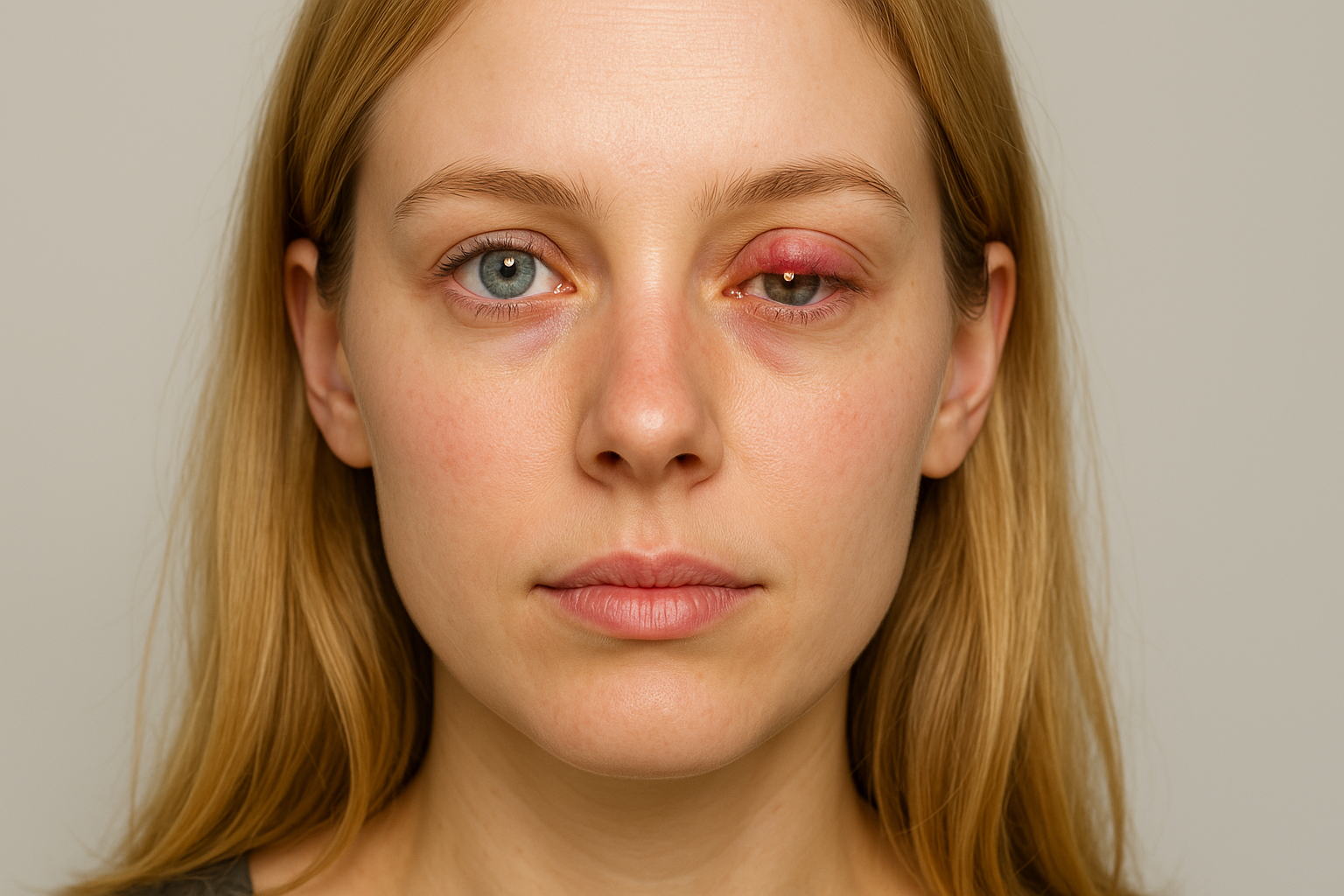
One Internal stye Is an infection on the inside of the eyelid, at the level of a Meibomian gland. These glands produce oil that lubricates the eye and prevents tears from evaporating too quickly. If a gland becomes clogged or infected, it can cause painful inflammation. Unlike the external stye (which affects the eyelashes), the internal stye is not visible at the edge of the eye, but on the inside of the eyelid.
Most often, internal stye is caused by a bacteria called Staphylococcus aureus. This bacteria occurs naturally on the skin, but it can infect the glands if the conditions are right, for example if the eyelids are poorly cleaned or if you rub your eyes with dirty hands. In addition to hygiene, stress or a compromised immune system can also promote these infections.
How do you recognize an internal stye?
At first, it is sometimes difficult to recognize an internal stye because the symptoms resemble those of other eye problems. Here are the most common symptoms:
- One Painful bump or swelling on the inside of the eyelid.
- One Redness and a feeling of local warmth.
- One Soreness Or discomfort when blinking or pressing on the eyelid.
- One Blurred Vision, sometimes due to the pressure of the swelling on the eye.
- Sometimes a Yellowish Discharge (pus) may occur, especially if the infection gets worse.
Important: Most internal styes are not serious, but an optometrist should be consulted if the pain is severe or if symptoms persist for more than a few days. Recognizing these signs quickly helps to avoid complications and to heal more quickly.
What is the difference between an internal stye and a chalazion?
Internal stye is often confused with a Chalazion, but they are two different conditions, even though they both affect the Meibomian glands. Understanding their differences is important in choosing the right treatment.
Key points that distinguish the two:
- Nature of inflammation :
- Internal stye is a bacterial infection, with redness, heat, and often more.
- A chalazion is a type of cyst, caused by a clogged gland, but without infection.
- Pain :
- The internal stye is almost always painful, especially at the beginning.
- The chalazion is generally painless or a bit sensitive unless it becomes very large.
- Appearance :
- Stye can cause diffuse swelling, while chalazion looks like a small, firm ball under the skin.
Although you can treat both with hot packs, the other treatments are different. It is therefore essential to distinguish them well.
Effective treatments to relieve an internal stye
There are several treatments available to relieve an internal stye and speed up healing. Here is an overview of home care and possible medical procedures.
Home care
- Hot compresses : Applying heat is often the first thing to do. This makes it possible to soften the contents of the gland.
- How to do it: Apply a warm (not burning) clean compress to the closed eyelid for 10 to 15 minutes, 3 to 4 times a day.
- Results: It can Reduce pain and help drain the infection.
- Eyelid hygiene : Cleaning the eyelids well prevents the infection from getting worse or spreading.
- Mix some mild baby shampoo with lukewarm water, then gently clean the eyelid with a cotton swab.
- Never Pierce the Stye : Even if tempted, piercing an internal stye can worsen the infection or damage the glans.
Medical intervention
If the symptoms do not improve after a few days or if the pain becomes too severe, an optometrist should be consulted. Treatment may include:
- Antibiotic Ointments or Drops : To eliminate bacteria.
- Corticosteroid injections : If the inflammation occurs.
- In-clinic eyelid hygiene with the Zocular ZEST system
- Photobiomodulation treatment
- Incision and drainage (rare) : In severe cases or if the stye does not go away by itself.
If the infection is not treated properly, it can sometimes get complicated (for example, an eyelid abscess), which may require surgery. Fast and appropriate treatment is therefore important.
How can you prevent the onset of an internal stye?
As with many problems, good hygiene can often prevent recurrences. Here are some tips for maintaining healthy eyelids and limiting the risk of infection.
- Wash your hands regularly, especially before touching your eyes or contact lenses.
- Avoid Rubbing Your Eyes, especially if your hands are dirty. This prevents contaminating the meibomian glands.
- Clean Your Eyelids With special wipes to remove excess sebum.
- Remove Makeup Before Going to Sleep : Leftover makeup can clog tassels or irritate eyelid skin.
- Eat a balanced diet, rich in omega-3: These fatty acids, found in fatty fish or nuts, are important for the quality of the sebum produced by the glands. For example, eating salmon, flaxseed, or walnuts regularly can improve your eye health.
If you are prone to styes or conditions like ocular rosacea, these best practices reduce the risk of relapses. It is also advisable to consult an optometrist regularly for appropriate follow-up.
By following these tips and knowing the early signs of an internal stye, you can effectively treat it and prevent it from coming back. Good hygiene and a proactive approach are your best allies for good eye health.
Conclusion
Internal stye, because of its infection and location, can be very annoying if misunderstood or treated incorrectly. Recognizing symptoms quickly, such as pain and inflammation on the inside of the eyelid, allows you to act quickly with the right care, such as hot compresses and careful eyelid cleaning. These simple measures are effective in relieving discomfort and accelerating healing.
It is also important to know the difference between an internal stye and a chalazion to avoid abuse. Consult an eye care professional to confirm the diagnosis and get personalized advice. Finally, good eyelid hygiene is essential to avoid recurrences.
Taking care of your eyes is important. Adopting these simple actions and consulting in case of altering makes it possible to preserve the health of the eyelids and improve visual comfort on a daily basis. In the future, advances in medicine could offer even more precise and personalized solutions. It is therefore important to stay informed and to take care of your eyesight.
FAQs


.jpg)

Do not tolerate discomfort anymore. Take action now.
