



.svg)


.jpg)

Key points to remember
The duration of blepharitis can vary considerably depending on a variety of factors, such as the type (acute or chronic), daily habits, and care provided. Here are the key points to better understand and manage this condition.
- The types of blepharitis influence its duration: Acute blepharitis can last from a few days to several weeks with appropriate treatment, while chronic blepharitis often persists and requires ongoing management.
- Prolonging factors: hygiene and habits: Insufficient eyelid hygiene, wearing contact lenses for a long time, or using makeup can exacerbate and prolong symptoms.
- The importance of eyelid hygiene: Regularly cleaning the eyelids with appropriate products helps to reduce inflammation and shorten the duration of episodes.
- Essential precautions: contact lenses and makeup: Limiting or suspending the use of contact lenses and makeup during flare-ups can ease the severity of the condition.
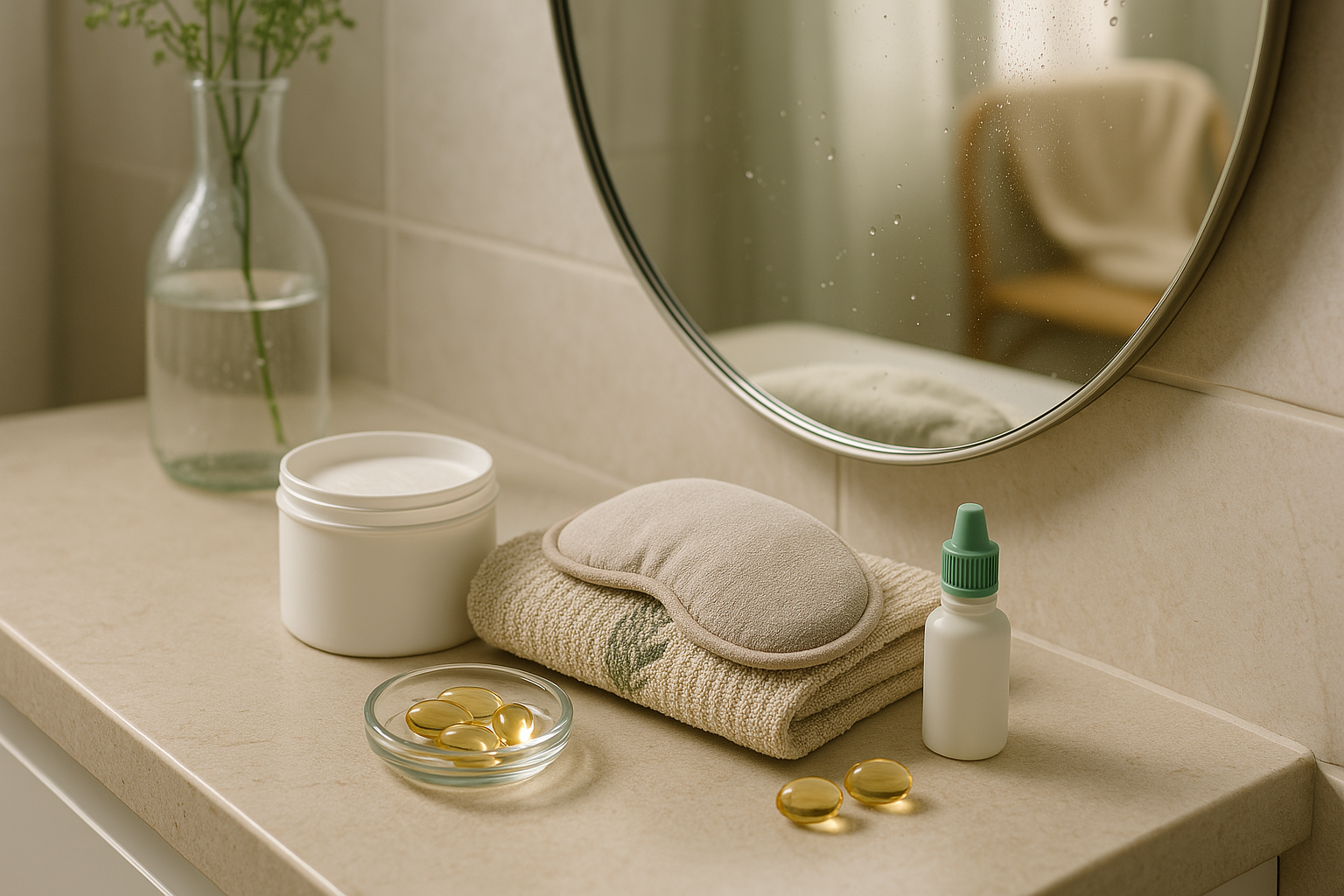
- Treatments affect the time to remission: The use of hot packs, treatments prescribed by an optometrist, and supplements like omega-3 can speed up recovery.
- A condition that may require long-term follow-up: Chronic blepharitis requires proactive management and regular consultations with an optometrist to avoid recurrences and control symptoms.
- Impact of the Meibomian glands over time: The obstruction or dysfunction of these glands often prolongs symptoms, underlining the importance of maintaining them.
Understanding the factors that influence the duration of blepharitis, as well as best management practices, is crucial to minimizing its impact. The following sections will deepen these practical tips and the essential care to adopt, allowing better management on a daily basis.
Introduction
Blepharitis, this inflammation of the eyelids, can be as annoying as it is unpredictable because of its duration. Whether it occurs through temporary or persistent symptoms, several factors influence the time it takes to overcome it.
Understanding the difference between acute and chronic blepharitis, the impact of daily habits, and the importance of appropriate care can dramatically improve your comfort and speed recovery.
Together, let's explore the underlying causes, types of blepharitis, and effective strategies to limit its duration and prevent recurrences. In this way, you will have all the information you need to act effectively.
The duration of blepharitis: Understanding and better managing this condition
Types of blepharitis and their typical duration
Blepharitis, an inflammatory condition of the eyelids, can occur in a variety of forms. Depending on the type of blepharitis, its duration varies, as does its impact on daily life. It is therefore essential to distinguish them well. Here are the main types and what you need to know about how long they last.
Acute blepharitis
- Typical duration: A few days to several weeks.
- Acute blepharitis is often triggered by a bacterial infection or a sudden reaction, such as an allergy. It can go away quickly if appropriate treatments are used, such as regular eyelid hygiene and hot compresses. However, without intervention, symptoms such as redness, itching, and scabs may persist for longer.
- Practical example: a person using contaminated makeup may develop acute blepharitis. Identifying and eliminating this irritant, combined with careful hygiene, can reduce symptoms in a few days.
Chronic blepharitis
- Typical duration: Months or even a lifetime with recurring episodes.
- If blepharitis does not go away completely, it can be classified as chronic. This type is often linked to dysfunction of the meibomian glands (the small glands on the edge of the eyelids that produce essential oil in your tears). While symptoms can be managed, episodes may return regularly, requiring a long-term management approach.
- This type may require long-term treatment to avoid the progression of complications, such as severe dry eyes, persistent discomfort, and in some cases, corneal damage.
Transition between acute and chronic forms
- Untreated or poorly managed acute blepharitis can progress to a chronic form. For example, a lack of regular eyelid hygiene or non-compliance with recommended care, such as specific eyelid cleansers, can prolong inflammation and promote this transition.
The duration and evolution of blepharitis depend on several factors, but luckily, daily management plays a critical role in reducing their duration and minimizing the impact on your quality of life. Understanding these nuances allows for better adaptation of care.
Factors influencing the duration of blepharitis
While some cases of blepharitis heal quickly, others can last for weeks, months, or even longer. This variability depends on several elements that it is important to know in order to better anticipate and manage the condition.
1. Eyelid hygiene
Maintaining clean eyelids is crucial. If specific eyelid hygiene routines, such as daily cleaning with appropriate products, are overlooked, it is much more likely that symptoms will worsen or that blepharitis will persist. Good hygiene helps control bacterial growth and keeps the meibomian glands functioning.
2. Presence of Demodex
Demodex, a type of microscopic mite, can live on eyelashes and worsen blepharitis. It is a frequent factor in chronic cases. In these cases, specific treatments are needed, such as antiseptic wipes designed to target these mites and reduce their population.
3. Cosmetic products and contact lenses
- Frequent use of eye makeup, especially if the products are not cleaned properly or expired, can prolong the infection. Some products can clog the meibomian glands, making the condition worse. Choosing products that are hypoallergenic and non-comedogenic is crucial.
- Wearing contact lenses for a long time can also contribute to discomfort and exacerbate symptoms, as it interferes with the eye's natural tear film. Careful contact lens hygiene and regular breaks are recommended.
4. Other health conditions
Certain diseases such as rosacea or seborrheic dermatitis are often associated with severe cases of blepharitis. These complex conditions require joint, prolonged and sometimes more targeted management, often involving a multidisciplinary approach with dermatologists and optometrists.
5. Adherence to treatment
Irregular or interrupted treatment can cause blepharitis to last longer, including in its acute form. It is important to strictly follow medical recommendations, especially for techniques such as hot compresses, the use of prescribed medications, and regular cleaning.
Identifying and managing these factors is critical to minimizing the duration and impact of blepharitis. The next section discusses practical strategies for doing this.
How to reduce the duration of blepharitis
Fortunately, there are several practical actions that can help reduce the duration of symptoms and even prevent them from coming back. Adopting these measures makes it possible to better control the condition and improve visual comfort.
1. Adopt an eyelid hygiene routine
- Daily cleaning: Use specific cleaning wipes or solutions for the eyelids, recommended by your optometrist. This removes debris, bacteria, and accumulated oil, reducing inflammation.
- Hot compresses: Applying a warm compress for a few minutes (usually 5 to 10 minutes) can soften the thick secretions of the meibomian glands, helping with their drainage and improving their function.
2. Use of appropriate treatments
- For cases of bacterial blepharitis, antibiotic drops or ointments prescribed by an optometrist may help clear the infection and reduce inflammation.
- In cases of chronic blepharitis, some patients report relief with treatments like impulse machines (e.g., Lipiflow) that warm and massage the meibomian glands, improving their function and reducing symptoms in the long term.
- In some cases, topical corticosteroids may be prescribed to reduce inflammation, but their use should be monitored by a health professional due to potential side effects.
3. Optimizing the environment
- Avoid being exposed to dry or dusty environments that worsen dry eyes and irritation. You might also consider using a humidifier at home, especially during the winter, to maintain optimal humidity levels.
4. Consuming omega-3
Omega-3, found in foods like fatty fish (salmon, mackerel), flaxseeds, and walnuts, has been linked to improved meibomian gland function and reduced inflammation. If you can't get enough of them into your diet, talk to a health professional about taking supplements.
These actions are not only useful in the immediate term; they help prevent blepharitis in the long term and improve overall eye health. Consistency and consistency are the keys to success.
Preventing the recurrence of blepharitis
Once blepharitis is under control, maintaining a preventive routine is essential to avoid future episodes. This proactive approach makes it possible to minimize the risks of relapse and to maintain optimal visual comfort.
1. Schedule regular visits to an optometrist
These appointments allow you to monitor the meibomian glands, check eyelid health and identify any early signs of relapse. Regular follow-up allows treatments and care routines to be adjusted according to the evolution of the condition.
2. Adapt the use of cosmetics
- Choose products that are hypoallergenic, non-comedogenic, and fragrance-free to minimize irritation.
- Avoid using expired makeup as it may contain bacteria and cause infections.
- Clean brushes and applicators regularly with mild soap to remove residue and bacteria.
3. Establish a preventive routine
- Incorporate eyelid cleanings into your daily routine, even if you don't have symptoms. Use a mild cleaning solution or specific wipes to remove debris and secretions.
- This is especially important for people who have a history of chronic blepharitis.
- Continue to apply hot packs regularly to keep the meibomian glands functioning and prevent obstructions.
By adopting an appropriate lifestyle and eye care, you will not only control the duration of future episodes but also contribute to maintaining optimal vision health. Prevention is an essential component in the long-term management of blepharitis.
Each subsection naturally informs and complements the next, forming a clear and practical resource for those who want to better understand and manage their blepharitis. This global approach allows for effective and sustainable management of the condition.
Conclusion
The management of blepharitis is based on a clear understanding of its types, causes, and practices that are essential to reduce its duration and avoid recurrences. While acute blepharitis can be resolved within a few days with appropriate treatments, the chronic form requires ongoing attention and regular care, such as eyelid cleaning and careful cosmetic hygiene. Factors such as eyelid hygiene routines, cosmetic products, or underlying conditions such as rosacea, significantly influence the evolution of this pathology. In the field of health, similar proactive management approaches are used for a variety of chronic conditions, emphasizing the importance of ongoing care. In finance, an analogy can be drawn with long-term portfolio management, where constant monitoring and adjustments are required to maintain financial health. Likewise, in the education sector, continuous learning and the adaptation of teaching methods are essential for optimal skills development.
By adopting preventive measures, such as adding omega-3 to your diet, using hot packs, and regular visits to a specialist, it is possible not only to reduce symptoms but also to prevent them from coming back. A proactive approach not only ensures lasting relief, but also a better quality of life and optimal vision health in the long term. The future of blepharitis management could include innovative technologies such as home monitoring devices and personalized treatments based on a patient's genetic profile. The real challenge is to integrate these advances into a comprehensive care approach that is accessible to all. So the question is not whether these technologies will be adopted, but how they will be used to improve the lives of people with blepharitis.
FAQs


Do not tolerate discomfort anymore. Take action now.
