



.svg)


.jpg)

The Best Methods for Treating Chalazion and Stye
Treating a chalazion or stye quickly and effectively is critical to maintaining your eye health and avoiding complications. These two conditions, although often confused, are inflammations of the eyelids that can cause significant discomfort and, in some cases, affect the appearance of the eye.
A chalazion, which is an obstruction in a meibomian gland, tends to persist longer and become more chronic than a stye, which is a bacterial infection of the sebaceous glands or eyelash hair follicles. Although some chalazions and styes go away on their own, many require medical attention to prevent recurrences or worsening of symptoms.
In this article, we are going to explore the differences between these two conditions, identify their causes and symptoms, and detail the treatment options available. Whether it's home-based methods or more advanced interventions, like Intense Pulsed Light (IPL) or photobiomodulation, we'll provide you with the information you need to take care of your eyes and restore visual comfort.
If you are suffering from a persistent chalazion, we encourage you to see a healthcare professional at the CARE Clinic for a personalized assessment and to find out the best approach to treating this condition.
What is a chalazion?
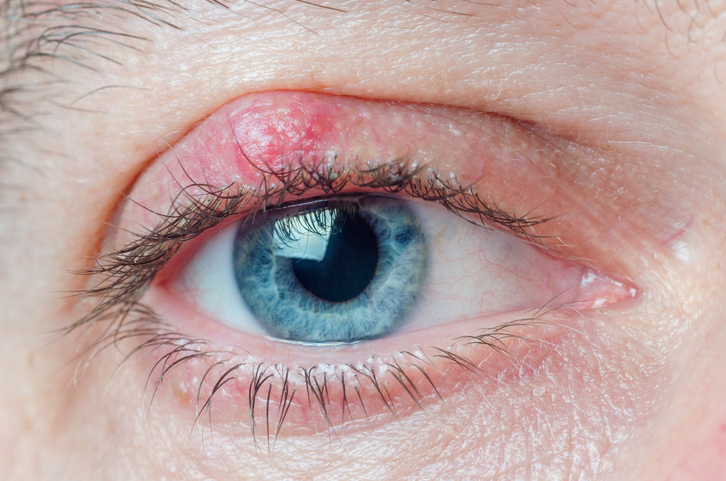
A chalazion is a small bump that forms on the eyelid due to a blockage in a gland called Meibomian gland, located on the inside of the eyelid. Unlike a stye, which is an infection, chalazion is not painful and does not result from a bacterial infection. It often starts with a slight swelling or redness, but over time, a hard nodule appears, which is usually painless.
The chalazion may take time to disappear, but in some cases it becomes large enough to put pressure on the eye and affect vision. This happens when the blocked gland releases oily secretions that irritate eyelid tissue.
Although it can go away by itself, it is sometimes necessary to seek professional advice for treatment, especially if the chalazion persists or recurs frequently.
Recognizing a Stye
A stye is a small infection that forms on the eyelid, usually due to bacteria Staphylococcus aureus. It looks like a small red, painful pimple that appears at the base of the lashes. Unlike chalazion, stye hurts and can cause a lot of discomfort.
Stye symptoms:
- Redness and pain : The eyelid becomes swollen, red, and tender to the touch.
- Small button : A nodule often appears with a small white head filled with pus.
- Other signs : The eyelid may itch, the eye may be sensitive to light, and sometimes it may water.
Duration and how to treat it:
In general, a stye heals on its own in about a week. To help heal it more quickly, you can apply hot compresses several times a day to get the pus out. But if the stye does not go away or becomes more painful, it is important to see a specialist.
Assessing risk factors at the CARE Clinic
It's also important to understand why you had a stye. Factors like poor eyelid hygiene, wearing contact lenses, or a weakened immune system can increase the risks. At the CARE Clinic, we can assess these factors and help you prevent future styes.
Risk Factors for Chalazions and Styes
Chalazions and styes are caused by inflammation and blockage in the eyelid glands. Different factors can increase the risk of developing them, depending on the condition.
Risk factors for chalazions:
- Medical problems : Certain conditions such as blepharitis (inflammation of the eyelids), dermatitis, or certain diseases (such as rosacea) increase the chances of developing a chalazion.
- Environment and habits : Pollution, sun exposure, dry eyes, or high levels of lipids in the blood can also be causes.
- Gland problems : Disorders such as meibomian gland dysfunction, which thickens gland secretions, also increase the risk.
- Feeding : A diet high in fat can influence the health of the meibomian glands. High levels of cholesterol or lipids in the blood can increase the risk of gland blockages and therefore chalazions.
Risk factors for styes:
- Eye hygiene : Not cleaning your eyelids properly, wearing contact lenses, or using dirty makeup can cause styes.
- Eye problems : Having dry eyes can also increase the risk of getting a stye.
Knowing these risk factors is important for preventing these conditions and choosing the best treatments. Good eye hygiene, a balanced diet, and managing eye health are key steps in avoiding chalazions and styes.
Home Treatment Options
To effectively treat a chalazion or stye at home, there are several methods that can be used to speed healing and alleviate symptoms. The recommended approaches are as follows:
Hot compresses
- Application : Apply a warm compress to the affected eye for 10 to 15 minutes, several times a day.
- But : Heat helps to soften the contents that are stuck in the Meibomian glands, making it easier for them to drain.
- Additional technique : After each hot compress, gently massage the eyelid to help release secretions and unblock the glands.
Eyelid hygiene
- Daily cleaning : Use cleaning wipes specially designed for the eyelids to clean them every day.
- Gentle massages : Gently massaging your eyelids, especially after applying hot compresses, helps to release blocked glands and prevent future obstructions.
- Prevention : Maintaining good eyelid hygiene by cleaning them regularly helps to avoid the formation of chalazions and styes.
Additional measures and precautions
- Do not press : Never attempt to squeeze or drain a chalazion or stye yourself to avoid the risk of infection.
- Avoid contact lenses and makeup : During treatment, it is recommended to avoid wearing contact lenses or makeup to reduce irritation and speed healing.
At the CARE Clinic: Personalized advice for effective eyelid hygiene
During your evaluation at the CARE Clinic, our experts will show you how to take care of your eyelids in an appropriate way. We will guide you to:
- Clean your eyelids with special wipes, adapted to the types of deposits you have at the base of the lashes.
- Apply hot compresses correctly in order to maximize their effectiveness and relieve your symptoms.
- Practice eyelid massages in a safe and effective way to promote the drainage of blocked glands and prevent recurrences.
These methods, combined with a personalized assessment at the CARE Clinic, will allow you to better manage your chalazions and styes, while preventing them from coming back. Do not hesitate to make an appointment for a consultation with our optometrists.
When should I see an optometrist?
As soon as a chalazion or stye appears, it is essential to consult an optometrist. Even though these conditions may seem minor, they are often warning signs an underlying problem, such as poor eyelid hygiene, dry eyes, or gland problems. A professional evaluation can identify these risk factors and increase the chances of treating the condition quickly, without having to resort to surgery.
Why consult quickly?
While some chalazions and styes may resolve on their own with home treatments, they may persist or worsen. If a chalazion or stye does not improve after a few days of warm compresses or if it causes significant discomfort, it is important to consult a health professional to prevent the situation from getting complicated.
- Persistent chalazion : If the chalazion doesn't go away after a few weeks or starts to affect your vision, it's time to see an optometrist. This may be a sign of significant inflammation, and more targeted treatment, such as antibiotic or cortisone ointments, may be needed.
- Painful stye : If the stye does not show signs of improvement after 48 hours of warm compresses, or if it becomes more and more painful, a consultation is necessary. The infection may get worse and require antibiotics.
Signs that need immediate attention:
- Severe pain or affected vision : If your vision is blurred or if the pain becomes severe, it is crucial to see an optometrist right away. These signs may indicate that the chalazion or stye is affecting other parts of the eye.
- Infection : Extensive redness, a feeling of warmth on the eyelid, or the presence of pus may indicate an infection that requires prompt treatment to avoid complications.
Risk factor assessment and prevention
When you see an optometrist at the CARE Clinic, we also assess the risk factors that may have resulted in chalazion or stye. This includes the condition of your meibomian glands, eye hygiene, and other underlying medical conditions. By proactively treating these problems, we increase your chances of recovery without surgery and reduce the risk of recurrence.
Available Medical Treatments
Several approaches are available depending on the severity and duration of the condition.
Initial treatment for chalazions and styes:
- Antibiotic ointments : These ointments are often prescribed to fight infections, and in some cases, they are combined with a corticosteroid to reduce inflammation.
- Specific creams : For styes, creams containing antibiotics and corticosteroids, such as Tobradex, can be applied directly to the affected area.
- Corticosteroid injections : In cases of persistent chalazions, an injection of corticosteroids directly into the chalazion may be necessary to reduce inflammation and promote healing.
Surgical approaches:
- Incision and drainage : If medical treatments do not work after 2 months, surgery may be considered. This procedure involves making a small incision in the eyelid to drain the chalazion.
- Fast and easy surgery : The incision is usually made on the inside of the eyelid, avoiding any visible scars. The procedure is done under local anesthesia, takes less than 30 minutes, and a bandage is applied to the eye for a few hours after the procedure.
Fortunately, surgery is not always necessary. Today, there are non-invasive options effective in treating chalazions and styes, without having to resort to surgery.
- Intense Pulsed Light (IPL) : This treatment uses light pulses to improve meibomian gland function and reduce inflammation, without surgery.
- Photobiomodulation : This technique uses low intensity light to stimulate tissue healing and ease inflammation in a gentle and painless manner.
- Jett Plasma : Using plasma-based technology, this approach makes it possible to treat recalcitrant chalazions by heating and liquefying blocked secretions in the glands.
- Eyelid cleaning : Regular cleaning with appropriate wipes, under the advice of your optometrist, helps to eliminate deposits accumulated at the base of the eyelashes and to prevent the formation of new obstructions.
These non-invasive treatments are offered at the CARE Clinic and are a great option for patients who prefer to avoid surgery. They allow you to effectively treat your chalazion or stye while minimizing the risk of recurrence. Do not hesitate to consult our specialists to find out which method best suits your situation.
Prevention of Chalazions and Styes
To effectively prevent chalazions and styes, it is crucial to adopt rigorous eye hygiene practices and to take specific preventive measures. Key recommendations include:
Daily eyelid hygiene:
- Clean eyelids regularly with antibacterial wipes.
- For those with pre-existing conditions like blepharitis or rosacea, special attention to eyelid hygiene is recommended.
Use and care of cosmetic products:
- Avoid the use of old cosmetics due to the risk of bacterial contamination and replace makeup regularly.
- Never share makeup with others to prevent the transmission of bacteria and infections.
- Remove eye makeup before sleeping, using mild makeup removers, and discard expired or old products.
Additional measures:
- Apply warm compresses to closed eyelids for 10 to 15 minutes, 3 times per week, to help unblock sebaceous glands and prevent chalazions.
- Gently massage the eyelids after applying hot compresses to promote the expression of blocked glands.
- Avoid touching eyes with unwashed hands and wash hands regularly, especially before handling contact lenses or applying eye products.
These practices, when applied consistently, can significantly reduce the risk of chalazions and styes, thereby helping to maintain optimal eye health.
Conclusion
Taking care of your eyes and understanding the Difference between a chalazion and a stye is essential for adopting the right treatment and maintaining good eye health. In this article, we explored symptoms, causes, and treatment options, ranging from simple home remedies to advanced medical interventions, such as Intense Pulsed Light (IPL) and photobiomodulation.
By applying regular hygiene practices and adopting preventive measures, it is possible to significantly reduce the risk of developing these conditions. However, if symptoms persist or worsen despite home care, it is important to see a health professional.
Making an appointment for a complete evaluation of your chalazion or stye at the CARE Clinic is the first step in regaining visual comfort and well-being. Eye health plays a critical role in your quality of life, and the right care will help prevent complications and ensure clear, comfortable vision.
FAQs
To treat a stye, an optometrist may prescribe antibiotics in the form of eye drops or eye ointments. In some cases, it may be necessary to remove an eyelash to promote healing. If the stye persists or develops into a cyst, an incision in the eyelid may be required.
To speed up the disappearance of a stye, it is advisable to apply a warm compress to the closed eye for a few minutes, three to four times a day. This method helps to reduce inflammation and makes it easier for pus to drain.
A chalazion tends to resolve on its own within a few days. However, to speed up the process, it is recommended to use hot compresses, apply massages with anti-inflammatory ointment, and in some cases, treatments with intense pulsed light, photobiomodulation, or excision under local anesthesia may be required.


Do not tolerate discomfort anymore. Take action now.
