



.svg)


.jpg)

Introduction
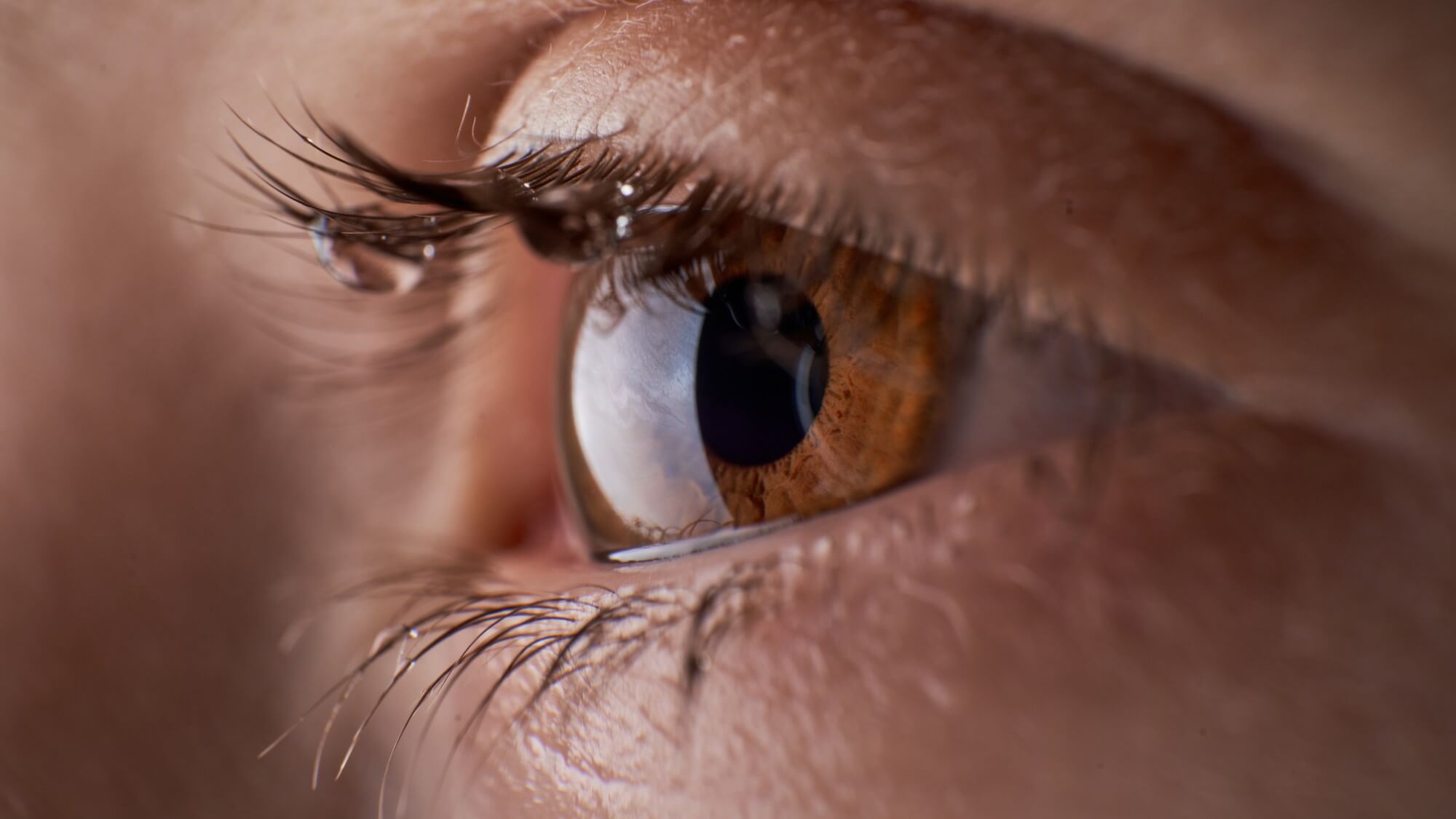
Excessive tearing and watery eyes are common eye problems that can significantly affect quality of life. A constantly crying eye can be irritating, annoying, and even lead to blurred vision.
In this article, we explore the causes and symptoms of excessive eye lacrimation, as well as the treatment options that are available. You'll find out how to identify if your eyes are tearing abnormally and what you can do to regain eye comfort.
Watery eyes: what is it?
Definition
Lacrimation occurs when an excessive amount of tears is produced by the tear glands or when the tear drainage system has a blockage (tear duct).
Although mild tearing may occur occasionally, a steady flow of tears may signal an underlying problem.
Relationship with dry eyes
It may seem counterintuitive that dry eyes can cause watery eyes. However, irritation due to the lack of quality tears results in a reflex response of overproduction of tears. These poor quality tears don't moisturize the eye properly, perpetuating the vicious cycle.
Symptoms of lacrimation
Identifying the signs
Some key symptoms of excessive tearing include:
- Moist or watery eyes
- Constant flow of tears
- Blurred vision
- Sticky eyes or a foreign body sensation
- Tingling or itchy eyes
- Red and swollen eyelids
Associated symptoms
Lacrimation is often accompanied by other symptoms:
- Light sensitivity (photophobia)
- Eye redness
- Burning or irritated sensation
- Fluctuating vision
These symptoms may also signal bacterial or allergic conjunctivitis. A thorough examination will make it possible to make an accurate diagnosis.
What are the causes of watery eyes?
Excessive lacrimation can have a variety of causes:
External causes
- Foreign body in the eye
- Environmental irritants (pollution, smoke)
- Eye allergies (to pollen for example)
- Viral or bacterial infection
- Use of contact lenses
Internal causes
- Anomaly of the lacrimal passages preventing the evacuation of tears
- Lacrimal gland dysfunction
- Abnormal quality of the tear film
- Eyelid anomaly (entropion and ectropion)
A comprehensive assessment will identify the precise cause of the lacrimation.
Excessive tearing: how to treat?
There are several options that can relieve chronic lacrimation:
Solutions against tearing
- Anti-inflammatory and anti-histamine eye drops
- Topical steroids under medical supervision
- Lubricating ophthalmic ointment
- Warm compresses on the eyes
- Goggles to protect against wind and irritants
Medical treatment options
- Surgical correction of lacrimal duct abnormalities
- Systemic medications in cases of glandular dysfunction
- Stopping medications that cause side effects
Medical advice will determine the optimal therapeutic approach based on the underlying cause.
Conclusion
In short, there are many reasons for watery eyes. Although annoying, this problem is often treatable. Do not hesitate to consult an optometrist if the lacrimation persists, especially if it is accompanied by other symptoms. Early diagnosis and treatment will help you regain eye comfort and good vision.
Notes:
- Consult an optometrist promptly in the presence of chronic lacrimation, especially in the elderly, children, and adults with systemic conditions.
- This guide provides an informative overview of the causes, symptoms, and treatments of lacrimation, but is not a substitute for personalized medical advice.
FAQs
Possible causes: dry eyes, allergies, allergies, infection, infection, foreign body, side effect of medications. A medical examination will identify the precise cause.
Excessive lacrimation may be due to external factors (irritants, allergens) or internal factors (ocular or systemic anomaly). The most common causes are dry eyes, allergies, and infections.
Depending on the cause, the options are: eye drops, eye ointments, treatment of underlying allergies, correction of tear duct abnormalities, discontinuation of irritating medications. Consult an ophthalmologist for personalized care.
.jpg)


Do not tolerate discomfort anymore. Take action now.
