



.svg)


.jpg)

Key takeaways
Allergic blepharitis, a specific inflammation of the eyelids due to allergic reactions, is often overlooked compared to bacterial blepharitis. This article explores its causes, specific symptoms, and preventive solutions, shedding light on the role of modern aesthetic treatments. Understanding the nuances of this condition is crucial for effective management and appropriate prevention.
- Underrated cosmetic allergens: Products like makeup and eyelash extensions are common triggers for allergic blepharitis, amplifying the risk of irritating sensitized eyelids. Increased vigilance in the choice and use of these products is essential.
- Differentiate allergic and bacterial blepharitis for targeted treatment: In contrast to bacterial blepharitis, the allergic variant is often accompanied by specific itching, redness, and swelling. This distinction allows the treatment to be oriented appropriately.
- Modern aesthetic products, invisible culprits: The development of allergic phenomena associated with treatments such as glue for eyelash extensions remains an under-represented but critical subject for optometrists and consumers. Better information and safer alternatives are needed.
- Recognize the symptoms, even the most subtle ones: Whether dry or watery, eyes affected by allergic blepharitis may also have scabs or scales, typical signs of chronic irritation. Careful monitoring of symptoms is essential.
- Effective daily prevention: Using hypoallergenic products, avoiding over-makeup and strengthening regular checks with your optometrist limits these inflammations. Adopting these preventive measures can significantly reduce the risk of allergic blepharitis.
- When “natural” solutions become essential: Allergen-free eyelid cleaners, lukewarm compresses, and increased hygiene can ease reactions without the systematic use of invasive treatments. These natural approaches offer mild relief and can complement medical treatments.
- Let's reassess our aesthetic choices: Choosing safe alternatives for extensions or carefully checking the composition of cosmetics promotes a long-term preventive approach. Informed choices contribute to maintaining eye health while meeting aesthetic needs.
Understanding the links between modern aesthetics and allergic reactions offers a new perspective on the management of blepharitis. By delving deeper into these preventive approaches and possible treatments, it is possible to limit this condition and improve eye comfort. This perspective allows us to adopt healthier habits and to make more informed choices.
Introduction
Allergic blepharitis, although less commonly reported than other eye conditions, is an inflammation of the eyelids that is frequently triggered by exposure to common allergens. These irritations frequently affect those who use cosmetic products such as makeup or eyelash extensions, whose impact on our eyes is sometimes underestimated. It is therefore essential to understand the underlying causes and potential consequences of this condition.
Why is it essential to understand this specific form of ocular allergy? Recognizing distinctive symptoms, such as itching, redness, or swollen eyelids, can not only prevent worsening, but also guide to effective preventative measures. Simple solutions, such as choosing hypoallergenic products or strengthening checks with your optometrist, can limit these reactions. In addition, a better understanding of allergic blepharitis may help distinguish this condition from other eye conditions, allowing for more accurate and tailored treatment.
Beyond cosmetic aspects, allergic blepharitis can have a significant impact on the quality of life. Persistent symptoms can lead to constant discomfort, affecting concentration, sleep, and even performance at work or school. It is therefore crucial to take this condition seriously and to look for effective solutions to manage it. Explore the causes, symptoms, and preventative approaches that will help you protect your eyes while balancing your aesthetic choices with your eye health. By taking a proactive approach, it is possible to minimize the impact of allergic blepharitis and maintain optimal ocular well-being.
What is allergic blepharitis?
Allergic blepharitis is an inflammation of the eyelids caused by an allergic reaction to substances that come into contact with this delicate area. Unlike other types of blepharitis, which may be bacterial in origin or linked to skin problems, the allergic form results from an excessive sensitivity of the immune system to specific triggers. Understanding this distinction is critical for accurate diagnosis and appropriate treatment.
Characteristic symptoms
Common signs that people with allergic blepharitis may see include:
- Redness of the eyelids : The eyelids may appear red, swollen, and hot to the touch, a sign of active inflammation.
- Itching : A constant urge to rub your eyelids is very common, but can worsen irritation.
- Watery eyes : The eyes may produce more tears in an attempt to eliminate the allergen, a natural reaction of the body.
- Burning or tingling sensation : Palpable discomfort may occur in or around the eyelids, increasing discomfort.
- Dry or flaky skin : The edges of the eyelids may dry out or have small patches of dead skin, a sign of chronic irritation.
These symptoms may be confused with those of other types of blepharitis, but they usually appear just after exposure to an allergen. This is one of the points that helps differentiate allergic blepharitis from bacterial blepharitis, which is often more chronic and less related to immediate triggers. It is important to note that the severity of symptoms may vary from person to person, and some individuals may have only a few of these signs.
Who is at risk?
Anyone can develop allergic blepharitis, but some people are at greater risk, including those who:
- Have a history of Hay fever Or of atopic dermatitis, indicating a predisposition to allergic reactions.
- Use cosmetics or eye care products that contain irritating substances, increasing exposure to potential allergens.
- Are carriers of eyelash extensions or adept at frequent and/or heavy makeup, which can irritate the eyelids and promote allergic reactions.
These risk factors are important to keep in mind to better understand triggers and prevent recurrences. Awareness of these factors can help individuals take preventative measures and reduce their risk of developing allergic blepharitis. For example, someone with a history of skin allergies may be more careful in choosing cosmetics and perform allergy tests before using new products.
Main causes and triggers
Allergic blepharitis is caused when an allergen comes into contact with sensitive eyelids, triggering an inflammatory reaction. Let's explore the most common causes and understand how to avoid them.
Environmental allergens
Allergens in the air, such as pollen, dust, or animal hair, can easily reach the eyelids. These tiny particles settle on the surface of the skin or eyelashes and irritate the tissue. Exposure to these allergens can be particularly problematic during allergy seasons or in dusty environments.
Example: A person with seasonal allergies may develop allergic blepharitis during periods of high pollen concentration. To mitigate this risk, it is advisable to wear sunglasses to protect the eyes from pollen, to regularly clean surfaces that may accumulate dust, and to use an air purifier to reduce the concentration of allergens in the indoor environment. Additionally, avoiding rubbing your eyes can help prevent irritation and the spread of allergens.
Cosmetic products: friends or enemies?
Some makeup and eye care products contain ingredients that can trigger an allergic reaction. Here are the main culprits:
- Preservatives and fragrances : These substances, often added to extend the life of products or improve their fragrance, are responsible for numerous skin irritations. Common examples include parabens, formaldehyde, and synthetic fragrances.
- Colored pigments : The chemical components in eyeshadows or eyeliners can irritate the delicate skin of the eyelids. Certain pigments, such as carmine or iron oxide, can be particularly irritating for some people.
- Eyelash extension adhesives : Many of the glues used to attach eyelash extensions contain formaldehyde, a major irritant. Even glues that are labeled as “formaldehyde-free” may contain derivatives of this substance, so it's important to exercise caution.
A concrete example: A customer who has recently had eyelash extensions installed could experience itching and inflammation a few hours after application, illustrating a sensitivity to the product used. To minimize these risks, it is recommended to choose hypoallergenic cosmetic products, to check ingredient lists carefully, to avoid products that contain irritating fragrances or preservatives, and to perform a skin test before using new products. In addition, it is important to learn about the ingredients in eyelash extension glues and to choose salons that use high-quality, dermatologically tested products.
Poor hygiene habits
People who don't remove eye makeup properly or who use contaminated products, such as old or shared mascaras, increase their risk of developing allergic blepharitis. These habits can worsen a reaction and promote secondary infections. Not removing makeup before bed can clog the meibomian glands, leading to dry eyes and eyelid inflammation. Using contaminated products can introduce bacteria and allergens into the eyes, increasing the risk of infection and allergic reactions.
It is therefore crucial to adopt good eye hygiene practices, such as removing makeup thoroughly every evening with a gentle, non-irritating makeup remover, avoiding sharing makeup products, and replacing makeup products regularly to avoid bacterial contamination. In addition, it is advisable to clean makeup brushes regularly to eliminate bacteria and product residues.
The impact of modern beauty choices
With the evolution of aesthetic treatments, new beauty practices have emerged that have a potential impact on eyelid health. Lash extensions and long-lasting makeup, while very popular, can pose specific risks that are important to know and manage.
Eyelash extensions: a common trigger
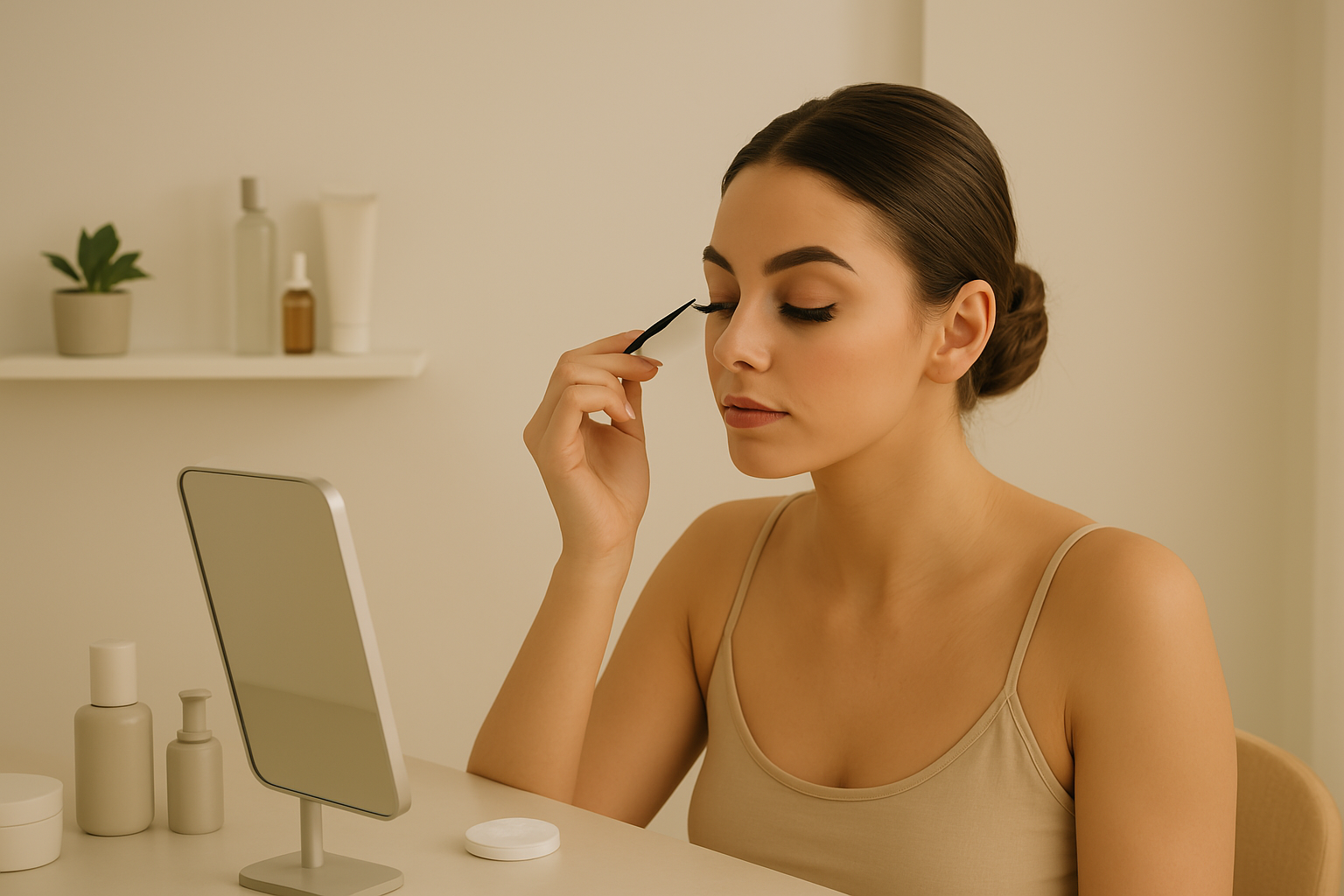
Eyelash extensions have become a popular choice for achieving a glamorous look without everyday effort. However, there are several elements associated with this practice that can cause problems:
- Adhesives used : Glues often contain strong allergens like formaldehyde, which can irritate sensitive eyelids. Even the vapors from the glue can cause allergic reactions in some people.
- Repeated manipulation : Frequent sessions to place or remove extensions can cause eyelids to become fragile over time. The weight of the extensions can also put pressure on natural lashes, causing them to weaken and fall out.
- Compromised hygiene : Cleaning lashes can be more difficult with extensions, promoting the accumulation of bacteria and debris, which can lead to inflammation and infection.
To avoid these problems, it is essential to look for salons that use certified hypoallergenic products and to test glues on a small area before full application. In addition, it is important to follow the care instructions provided by the eyelash technician, to clean the lashes regularly with a mild cleanser, and to take regular breaks between extension applications to allow the natural lashes to rest and regenerate. It is also advisable to see an optometrist if symptoms of irritation or infection occur.
Waterproof makeup: double-edged
Waterproof products, such as water-resistant mascaras and eyeliners, are appreciated for their durability. However, they often require aggressive makeup removers to remove, which can dry out and irritate the eyelids. Repeated application of long-lasting makeup can also block the Meibomian glands, which are responsible for the production of protective oils, thus worsening the symptoms of blepharitis. In addition, the ingredients in waterproof products can be more irritating than those in traditional products.
To minimize these risks, it is recommended to use makeup removers specially designed for waterproof products, which are milder and less likely to irritate the eyelids. It is also advisable to avoid the daily use of waterproof makeup and to favor softer and natural products when possible. In addition, it is important to clean the eyelids regularly with a mild cleanser to remove makeup residue and unclog the meibomian glands.
Preventing and managing allergic blepharitis
Preventing allergic blepharitis is based on a combination of rigorous eye hygiene, caution with the products used, and increased vigilance against triggers. A proactive approach is essential to maintaining eyelid health and minimizing the risk of inflammation.
Eye hygiene routine
Adopting a good cleaning routine helps to reduce the risks:
- Wash your eyelids daily : Use a clean, warm compress to gently clean the edges of the eyelids, removing accumulated debris and allergens. It is important to use warm, not hot water, as hot water can irritate the delicate skin on the eyelids.
- Avoid rubbing your eyes : This action may worsen inflammation or introduce additional allergens. Rubbing your eyes can also damage eyelashes and eyelid skin.
- Remove makeup every night : Use a gentle, non-irritating eye makeup remover designed for the eyes, making sure to remove all makeup residue. It is important to choose a makeup remover that is free of perfume and alcohol, as these ingredients can irritate the eyelids.
Safe product choices
Choosing the right products is crucial to prevent irritation:
- Opt for hypoallergenic cosmetics : Look for those marked as suitable for sensitive eyes, checking the ingredient list to avoid potential allergens. It is advisable to choose dermatologically and ophthalmologically tested products.
- Avoid products that contain alcohol or fragrances : These aggressive ingredients increase the risk of a reaction. It is best to choose products that are fragrance-free, as synthetic fragrances are a common cause of skin allergies.
- Change your makeup products regularly : Mascaras and eyeliners, in particular, should be replaced every 3 to 6 months to avoid bacterial contamination. Bacteria can grow in makeup products, increasing the risk of eye infections.
Call an optometrist
If symptoms persist despite preventive efforts, consult an optometrist. He will be able to identify the exact cause of the inflammation and recommend specific treatments such as antihistamine eye drops or adapted medications. In some cases, topical corticosteroids may be prescribed to reduce inflammation, but they should be used cautiously and under medical supervision.
In summary, by following good hygiene, making thoughtful product choices, and limiting exposure to triggers, it's entirely possible to keep eyelids healthy even while taking advantage of modern beauty trends. A proactive approach and regular consultation with an eye health professional are essential to effectively prevent and manage allergic blepharitis.
Conclusion
Allergic blepharitis, while common, is often the result of avoidable exposure to environmental allergens, irritating cosmetic products, or inadequate aesthetic practices. By recognizing its distinctive symptoms such as redness, itching and tearing, it is possible to intervene quickly to limit inflammation and prevent complications. This early recognition makes it possible to adopt preventive measures and to prevent the condition from becoming chronic.
Adopting strict eye hygiene, choosing hypoallergenic products and avoiding risky habits, such as waterproof makeup or poorly managed eyelash extensions, are key steps in minimizing risks. At the same time, natural solutions and targeted treatments can offer effective relief. These combined approaches make it possible to manage allergic blepharitis holistically, addressing both causes and symptoms.
By taking proactive measures and consulting a professional if necessary, it is entirely possible to maintain eyelid health while continuing to enjoy modern beauty treatments safely. The future of allergic blepharitis management lies in a personalized approach, taking into account individual needs and preferences, as well as scientific and technological advances. Cosmetic companies could play a crucial role in developing safer and hypoallergenic products, while health professionals could benefit from new diagnostic and treatment techniques. Ultimately, the key to success lies in close collaboration between consumers, health professionals, and the beauty industry to promote safe and sustainable aesthetic practices. The real question is not whether you can continue to use beauty products, but rather how you can do so in a responsible and informed manner.
FAQs


Do not tolerate discomfort anymore. Take action now.
