



.svg)


.jpg)

Key takeaways
Ocular rosacea can cause significant inflammation and discomfort, affecting the quality of life for many patients. Often linked to similar skin problems, it can also appear alone at any age, making it difficult to diagnose and treat it. Here are the key points to better understand the possible solutions.
- Ocular rosacea isn't limited to the skin: It can occur only in the eyes, in children and adults alike, even without signs of rosacea on the face. This makes it difficult to diagnose it early.
- Antibiotics from the cyclone family reduce inflammation in depth: Treatments like doxycycline are often prescribed because they decrease inflammation and are effective in moderate to severe cases. By acting on inflammation, these antibiotics help to reduce symptoms permanently.
- Artificial eye drops and tears relieve irritation: These solutions moisturize and protect the surface of the eye, reducing dryness and redness. They offer significant symptom relief.
- Eyelid hygiene is essential: Careful daily cleaning with suitable products eliminates bacteria and secretions, preventing the worsening of the condition. It is a fundamental practice for managing the disease over the long term.
- Pulsed light treatments (IPL) and photobiomodulation are innovative solutions: These techniques target blood vessels to reduce inflammation and improve the functioning of the meibomian glands (glands that produce part of tears), offering a modern therapeutic approach.
- Long-term management is based on regular care: A combination of treatments, good hygiene and, if necessary, regular visits to the optometrist helps to avoid complications and to control symptoms.
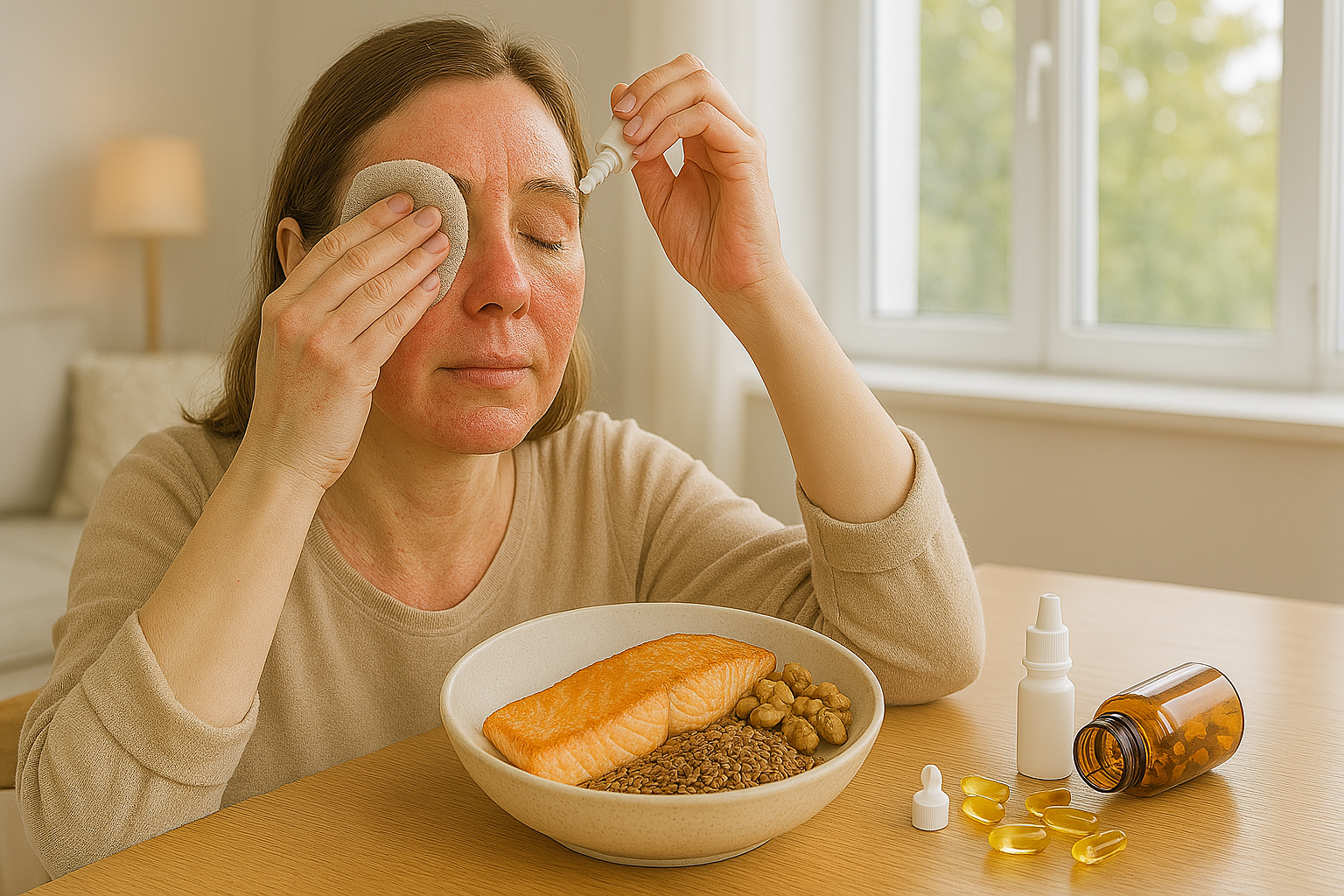
- Natural treatments complement medical approaches: Applying hot compresses and eating foods rich in omega-3 are natural solutions that enhance the effectiveness of conventional treatments and contribute to overall well-being.
Understanding the causes and different treatment options for ocular rosacea is crucial for managing the condition well. In the following sections, we explain each approach in detail to help patients make informed decisions with their optometrist.
Introduction
Ocular rosacea isn't just a skin problem, it's a condition that can seriously affect the health and comfort of your eyes. This form of rosacea, which is often overlooked, can affect adults and children, even without symptoms on the skin. This makes its diagnosis and management more complicated, requiring particular attention.
Understanding how this condition works and the treatments available, whether antibiotics, eye drops, or specific treatments such as photobiomodulation, is essential to calm inflammation and avoid long-term problems. In this article, we present medical and natural solutions that can alleviate symptoms and improve your quality of life in the long term. Before detailing treatments, it is important to understand why a comprehensive approach is essential to successfully manage this condition.
Understanding ocular rosacea treatments to relieve inflamed eyes
Eyelid hygiene: The essential first step
One of the foundations of the treatment of ocular rosacea is a daily eyelid hygiene. This reduces inflammation, maintains the proper functioning of the eyelid glands, and prevents complications.
- Gentle cleaning twice a day : Use a mild, non-irritating cleanser specially designed for eyelids. This simple gesture prevents bacteria from multiplying, reduces impurities and eliminates excess sebum (skin's natural oil) that can clog the glands.
- Hot compresses : Applying hot compresses helps to thin the thickened sebum in the eyelid glands (meibomian glands). This stimulates normal sebum production, which is essential for protecting your eyes from dryness and irritation.
- Eyelid massages : After the hot compresses, a gentle massage helps to unclog the glands. Light circular movements with the fingertips are sufficient to promote a normal flow of sebum, thus improving the quality of tears.
This simple but effective combination can provide significant relief, especially for mild to moderate forms of ocular rosacea. By adopting this routine on a daily basis, you can slow the progression of symptoms and improve your visual comfort. For optimal hydration, it is often necessary to use eye drops in addition.
Eye drops and ocular hydration
Another important aspect of treatment is the use of eye drops to properly moisturize the eyes and soothe irritation. These solutions are designed to complement the natural action of tears and protect the surface of the eye.
- Artificial tears : These drops, available without a prescription in pharmacies, moisturize the eyes and compensate for dry eyes. It is advisable to choose products without preservatives to avoid irritation, especially if you use them often.
- Gels or ointments : Thicker, these products stay on the eyes longer, offering prolonged hydration. They are often used in the evening before going to sleep for continuous action during the night when tear production decreases.
- Lipid sprays : These sprays improve the natural oily layer on the surface of the eye, limiting the evaporation of tears. They are especially useful for people with malfunctioning meibomian glands.
These simple solutions are often combined with other treatments, such as eyelid hygiene, for greater and lasting relief. If the inflammation is significant, antibiotics may be prescribed.
Antibiotics to control inflammation
When eyelid hygiene and eye drops aren't enough to control inflammation, optometrists may prescribe antibiotics. These medications target inflammation and help restore balance in the eyes.
- Cyclins (like doxycycline or tetracycline) : These antibiotics have an anti-inflammatory effect in addition to their action against bacteria. They are often prescribed for short periods of time (a few weeks) to ease symptoms and reduce inflammation.
- Antibiotic drops : In some cases of severe ocular rosacea, antibiotic drops may be applied directly to the eyes. This makes it possible to treat inflammation locally and to limit the side effects on the rest of the body.
Even though these treatments are effective in controlling inflammation, it is important to follow the optometrist's recommendations and stick to the prescribed dose to avoid side effects and the development of antibiotic resistance. For the most severe forms, treatments that act all over the body and stronger anti-inflammatories may be considered.
Advanced systemic and anti-inflammatory treatments
For severe or complicated ocular rosacea, more extensive treatments may be needed. These treatments include medications that work throughout the body to reduce inflammation and control symptoms.
- Anti-inflammatory drugs : Sometimes, optometrists may prescribe drops containing corticosteroids to treat acute inflammation. However, these treatments are generally used for short periods of time because of the risks of side effects associated with prolonged use.
- Emerging biotherapies : Innovative treatments such as biological drugs directly target the inflammation mechanisms responsible for symptoms. These options, often used for the most severe cases, show promising results in reducing inflammation and improving eye comfort.
These solutions are generally reserved for people whose ocular rosacea persists despite other less aggressive treatments. In addition to medical treatments, it is important to adapt your lifestyle to avoid the factors that trigger ocular rosacea.
Lifestyle changes to prevent triggers
Managing triggers is key to avoiding ocular rosacea flares and controlling symptoms. Daily habits play a major role in the long-term management of this condition.
- Sun protection : Exposure of the eyes to UV can worsen symptoms. It is therefore important to wear sunglasses with UV protection and to apply sunscreen that is suitable for sensitive skin around the eyes.
- Avoid irritating foods : Certain foods, such as spices, alcohol, or hot drinks, can increase inflammation and trigger flare-ups. Writing down what you eat in a journal can help you identify and avoid these foods.
- Stress reduction : Stress is a known aggravating factor in ocular rosacea. Incorporating stress management techniques, such as meditation, yoga, or sports, can really help control symptoms.
Adjusting your daily life by following these tips can slow the progression of symptoms and improve your quality of life and visual comfort. For those who prefer a more natural approach, complementary therapies may be considered.
Complementary therapies: Towards natural solutions
For those looking for more natural solutions in addition to conventional medical treatments, there are some alternatives that can relieve and improve eye comfort.
- Omega-3 : These essential fatty acids, found in fish oil supplements or in foods like salmon, flaxseeds, and walnuts, promote healthy eyelid glands. It is a good option for those who want to strengthen their basic treatment and improve the quality of their tears. In addition to their benefits for ocular rosacea, omega-3 fatty acids are good for the heart and brain.
- Laser and intense pulsed light (IPL) : Originally used to treat skin problems, this medical technique can also improve the functioning of the eyelid glands by targeting the abnormal blood vessels responsible for inflammation. IPL may help reduce the redness, inflammation, and dry eyes associated with ocular rosacea.
It is important to note that these approaches do not replace conventional medical treatments, but they can complement them and improve the patient's well-being. More and more patients are turning to these complementary therapies to optimize their care.
By combining a good eyelid hygiene, the use of adapted eye drops, of medical treatments appropriate and changes in her lifestyle, most patients with ocular rosacea can regain significant comfort and limit seizures. New and complementary therapies offer even more possibilities to personalize treatment and optimize care.
Conclusion
Ocular rosacea, even if it is chronic, can be well controlled with a combined and personalized treatment strategy. Careful eyelid hygiene, regular use of hydrating eye drops, and sometimes prescribing appropriate antibiotics are the basis for significant relief. For more severe or resistant cases, more advanced approaches, such as systemic anti-inflammatories and biotherapies, offer promising solutions to control inflammation and improve eye comfort.
In addition, adapting your lifestyle, such as protecting yourself from the sun, eating a balanced diet and managing stress, plays an essential role in avoiding flare-ups and maintaining a good quality of life. Complementary therapies, such as omega-3 and intense pulsed light (IPL), complement treatments and offer additional options to personalize care.
By managing ocular rosacea in a proactive, informed and personalized manner, it is possible to significantly reduce symptoms, improve your quality of life and regain real comfort in your daily life despite this chronic condition. The future of ocular rosacea treatment lies in a comprehensive approach that combines conventional medical treatments with complementary therapies and lifestyle changes, allowing each patient to find the best strategy for their needs and preferences.
FAQs
Ocular rosacea is a chronic condition, meaning it does not go away completely. However, with appropriate treatment and good management, it is possible to significantly reduce symptoms and maintain a good quality of life. The important thing is to have a personalized approach and regular follow-up with an eye care professional.
To quickly relieve symptoms, it is advisable to combine the application of hot compresses on the eyelids, regular use of artificial tears to moisturize the eyes and, if necessary, corticosteroid drops prescribed by an optometrist to control inflammation. This combined approach works on both dryness and inflammation, offering quick and effective relief.


Do not tolerate discomfort anymore. Take action now.
