



.svg)


.jpg)

Dry eye syndrome is a common disorder that affects millions of people around the world, which can be caused by insufficient production of meibum in 80% of cases. Meibum, a lipid secreted by the meibomian glands located under the eyelids, plays a crucial role in preventing the rapid evaporation of the tear film. This multifactorial condition is characterized by a loss of tear film homeostasis, leading to chronic problems such as redness, inflammation, chalazions, and infections, as well as symptoms such as frequent infections, irritation, irritation, a foreign object sensation in the eye, and difficulty reading or driving at night.
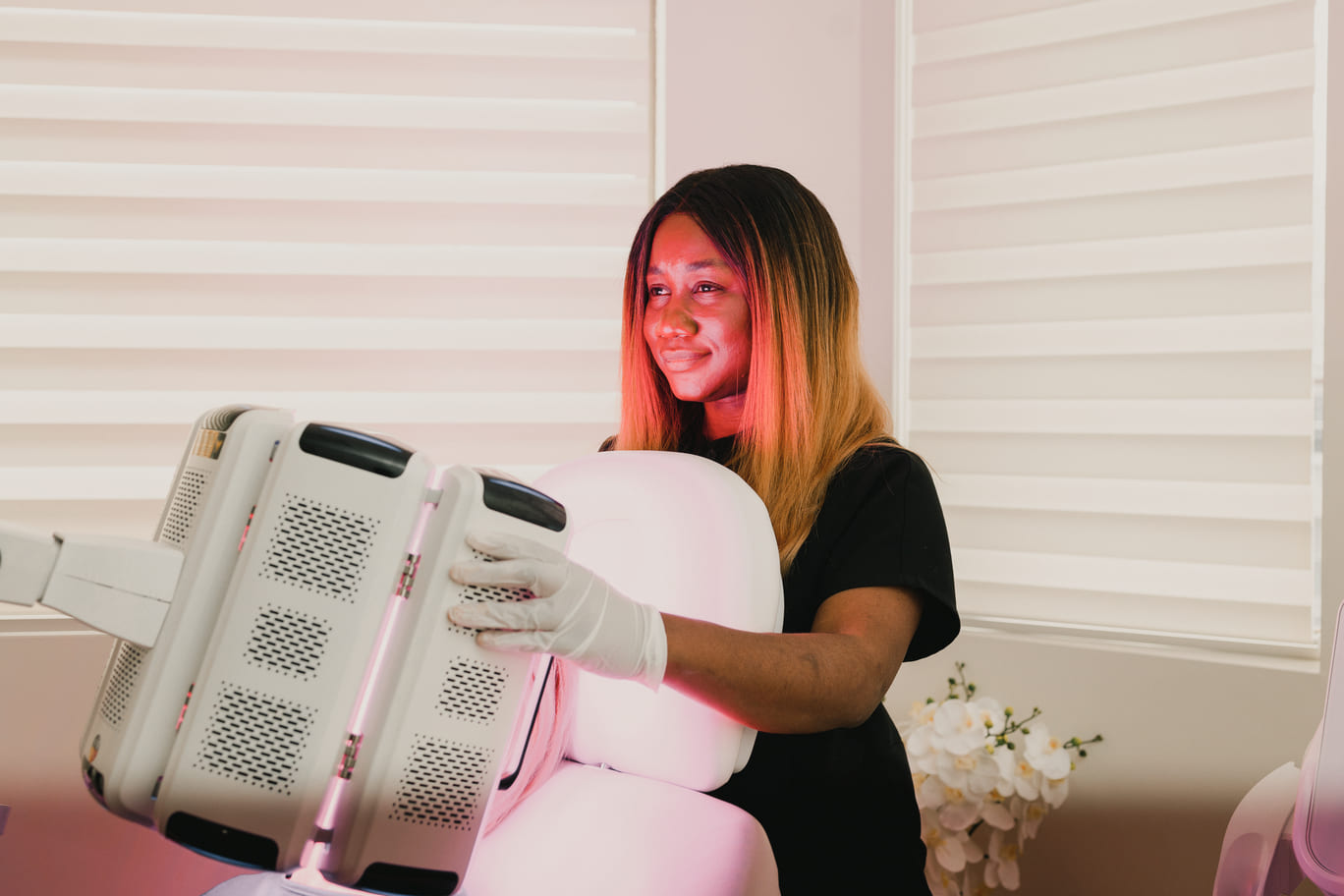
Faced with this challenge, the photobiomodulation to treat dry eye is emerging as an innovative treatment, offering an alternative to traditional approaches such as hot compresses and non-invasive treatments for conditions like chalazion and eye fatigue. This treatment, based on the use of light therapy, or phototherapy, directly targets the meibomian glands to stimulate the production of meibum and restore the balance of the tear film. In this article, we will explore how photobiomodulation provides a promising solution for those who suffer from dry eyes, examining its application in treating meibomian gland dystrophy and shedding light on its advantages over conventional methods.
Understanding Dry Eye and Meibomian Gland Dystrophy
The meibomian glands, located in the eyelids, play a critical role in eye health by producing meibum, a lipid substance that forms the outer layer of the tear film. This lipid layer is crucial in preventing the rapid evaporation of tears, thus ensuring a smooth and hydrated ocular surface. Unfortunately, up to 86% of patients suffering from Dry eye show signs of meibomian gland dysfunction (MGD), affecting more than 745 million people worldwide. If left untreated, MGD can lead to chronic discomfort, damage to the surface of the eye, and potential vision loss due to glandular atrophy and loss of function.
Diagnosis and Evaluation of MGD:
- Assessment tools: Meibomian glands can be evaluated using tools such as the Meibomian Gland Evaluator and Antares, allowing for detailed analysis of glandular function and structure.
- Meibography: Used in infrared mode to diagnose meibomian gland atrophy and in transillumination mode to quantify telangiectasias and inflammation.
Symptoms and Risk Factors:
- Common symptoms: Insufficient secretion of meibum by the meibomian glands causing dryness, irritation, burning, excessive tearing, and difficulty wearing contact lenses.
- Risk Factors: MGD is common in people who wear contact lenses, have diabetes, have cataracts, have cataracts, are in perimenopause, have glaucoma, or have a history of surgery or ocular inflammation.
Treatment options:
- Conservative measures: Warm compresses, eyelid massage, and eyelid hygiene are recommended initial treatments.
- Advanced procedures: In more severe cases, procedures such as Ilux, photobiomodulation, intense pulsed light therapy (IPL treatment), PRGF may be suggested.
- Importance of early detection: Early detection and treatment of MGD is critical to prevent long-term damage to the eye and potential vision loss. Even when there are no symptoms, regular eye exams can help detect and manage MGD.
This thorough understanding of MGD and its implications for dry eye disease highlights the importance of accurate diagnosis and appropriate management to maintain eye health and quality of life for patients.
What is photobiomodulation?
Photobiomodulation (PBM), also known as low level light therapy (LLLT), relies on the use of non-ionizing light sources, such as lasers, light emitting diodes (LEDs), and visible light, to induce a series of photophysical and photochemical events within cells. This interaction stimulates endogenous chromophores, causing significant biological effects at several biological scales. Key features of PBM include:
Light sources used :
- Lasers
- Light emitting diodes (LEDs)
- Visible and near infrared light (400 — 1100 nm)
Observed biological effects :
- Alleviation of pain
- Immunomodulation
- Promotion of wound healing and tissue regeneration
Primary cellular targets :
- Cytochrome C complex in mitochondria
- Stimulation of the electron transport chain
- Increased production of ATP (Adenosine Triphosphate)
PBM works by activating photoreceptors in cells, which in turn stimulates mitochondria, improving cellular energy production. The interaction of photons with the cytochrome c complex in the mitochondria triggers a biological cascade that leads to an increase in cellular metabolism. This non-thermal process involves non-ionizing, non-thermal doses of light, promoting beneficial therapeutic outcomes such as reducing inflammation, immune modulation, and promoting tissue healing and regeneration.
PBM devices, including the iLight LLLT Pro system used at CARE, offer an innovative approach by delivering four distinct wavelengths: near infrared (850 nm), red (633 nm), and yellow (590 nm), and blue (590 nm), and blue (417 nm), and blue (417 nm) effectively targeting various surface ocular pathologies, including meibomian gland dysfunction. These devices, which are increasingly portable and affordable, open up new possibilities for the natural improvement of vision.
In summary, photobiomodulation represents a significant advance in the treatment of various eye conditions, thanks to its ability to stimulate cellular metabolism and promote healing. With ongoing research to optimize wavelengths, treatment times, and protocols for various conditions, PBM is positioned as a promising treatment modality for dry eye, uveitis, optic nerve regeneration, and many more.
The application of photobiomodulation in the treatment of dry eyes
Photobiomodulation (PBM), in particular Intense Pulsed Light (IPL), plays a crucial role in dry eye treatment, in particular by its ability to stimulate the Meibomian glands to restore their normal functioning, reduce inflammation and improve the composition of tears. Here is a detailed overview of treatment modalities and their implications:
Treatment modalities with IPL:
- Number of sessions: Three to four sessions, with in-depth reviews before and after treatment.
- Duration and Comfort: Each session lasts about 20 minutes, is painless and comfortable.
- Protection: Wearing safety glasses is mandatory during treatment.
- Indications: Especially indicated for certain cases of blepharitis (demodex), stye, telangiectasias and ocular rosacea.
- Contraindications: Pregnancy, use of photosensitive medications, certain pigmentation disorders, specific skin conditions, presence of tattoos in the treatment area.
LLLT Photobiomodulation (Low Level Light Therapy) at CARE:
- Targeting inflammation: Direct treatment of chronic inflammation and promotion of the natural hydration of the eye.
- Properties of the lights used:
- Blue light: Antibacterial and anti-inflammatory properties.
- Red light: Promotion of cell regeneration and improvement of blood circulation in the eye tissue.
- Personalization of treatment: The number of treatments depends on the therapeutic plan, each session lasting 15 minutes.
Effectiveness of PBM in the treatment of dry eye:
- Significant improvement dry eye symptoms in 84% of patients.
- Combination with other treatments: Can be used in conjunction with traditional treatments to increase their effectiveness.
- Home treatment devices: Use of masks that emit low intensity light to stimulate the Meibomian glands, promoting the production of ATP at the cellular level and aiding in the repair of the tear film.
Photobiomodulation is thus presented as a non-invasive and drug-free treatment method for dry eye disease, offering an increase in tear production and a reduction in inflammation, leading to long-term improvements in dry eye symptoms.
Treatment of meibomian gland dystrophy with photobiomodulation
Photobiomodulation (PBM) offers several approaches to treat Meibomian gland dystrophy (DGM), a condition that can seriously affect the quality of life of patients with dry eyes. Treatment options vary depending on the stage of the disease and the severity of the glandular obstruction.
Intense Pulsed Light (IPL):
- Indications: Especially effective for inflammatory MGD and in advanced stages of atrophy.
- Mechanism: IPL treatment stimulates the meibomian glands, promotes their regeneration and increases the secretion of meibum.
- security: Non-invasive, painless and safe for the eyes, with an incoherent polychromatic light source that penetrates the skin minimizing tissue damage.
- Application: Although stage 4 atrophy cannot be regenerated, IPL treatment may be offered in some cases to relieve inflammation and symptoms.
LLLT Photobiomodulation (Low Level Light Therapy):
- Effectiveness: A study showed significant improvements in lipid layer, NIBUT (Non-Invasive Break-Up Time), and dry eye symptoms in MGD patients.
- Use: LLLT is also used for the treatment of chalazions and styes, by stimulating the Meibomian glands and by preventing the evaporation of the tear film.
The combination of these treatments improves MGD and prevents the progression to irreversible meibomian gland atrophy, offering a glimmer of hope for patients suffering from DGM-related dry eyes. The multidisciplinary approach, including both advanced technologies such as IPL and iLux as well as innovative treatments such as LLLT, highlights the importance of customizing treatment to meet the specific needs of each patient, thus maximizing the chances of therapeutic success.
Advantages of photobiomodulation compared to traditional treatments
Photobiomodulation (PBM) represents a significant advance in the management of dry eye, offering distinct advantages over traditional treatments. Some of these benefits include:
Cost-Effectiveness:
- Comparatively, PBM is proving to be an economically beneficial treatment option for dry eye disease, with comparable or lower costs than traditional treatments.
Safety and Tolerance:
- Unlike traditional approaches, PBM is non-invasive, non-aggressive, and natural, stimulating the body's own cells for better functionality.
- The treatment was well tolerated, with no difficulties encountered during its implementation, offering a safe and comfortable treatment method for patients.
These aspects highlight the potential of PBM as a superior alternative to conventional methods, not only in terms of effectiveness and cost, but also in offering a more gentle and natural approach to the treatment of dry eye. By harnessing the body's ability to regenerate and repair itself, PBM paves the way for optimized eye care, reducing the need for frequent medication interventions and improving patients' visual function and quality of life.
Case studies and research findings
The effectiveness of photobiomodulation in the treatment of dry eye was evaluated through various methods, ranging from questionnaires such as OSDI, SANDE, SPEED, or DEQ 5, to objective methods such as the regression of corneal epithelial atrophy, the reduction of intra-tarsal telangiectasias, and various tear film rupture tests. An at-home dry eye treatment using the My Mask® device has shown significant improvement in dry eye symptoms and tear film. The appearance and morphology of the lower eyelids remained unchanged after treatment, with a greater warming effect on the upper eyelid than on the lower eyelid.
These studies and case reports highlight the positive impact of photobiomodulation on the management of complex ocular pathologies such as dry AMD and dry eye, demonstrating its potential as a non-invasive and effective treatment.
Treatment instructions
To initiate a treatment using photobiomodulation to treat dry eye, it is essential to follow a structured procedure in order to ensure the effectiveness and safety of the treatment. Here are the recommended steps:
Making an appointment:
- To get started, it is necessary to schedule an appointment for an initial assessment. This appointment will identify whether photobiomodulation is a viable option for your specific case of dry eye.
- Contact : To schedule this appointment, please call 514-226-2322. A qualified specialist will guide you through the initial steps and answer any questions you may have about treatment.
Initial Medical Assessment:
- During this first consultation, a complete evaluation of your ocular condition will be carried out. This includes examining the meibomian glands, measuring the quality and quantity of your tear film, and identifying any other conditions that may influence dry eyes.
- Based on this assessment, a personalized treatment plan will be developed, including the frequency and duration of photobiomodulation sessions.
Instructions and Follow-up:
- Follow-up : Follow-up appointments will be scheduled to assess treatment progress and adjust the treatment plan if necessary. These appointments are crucial to ensure that the treatment is effective and to make any changes that are needed to optimize the results.
It is imperative that you follow these steps carefully and maintain close communication with your optometrist throughout the treatment process. This will not only ensure the effectiveness of the treatment but also your safety and comfort along your journey to better eye health.
Future limitations and considerations
In the context of the treatment of chronic eye diseases, including dry eyes (DES) and meibomian gland dystrophy (MGD), traditional approaches such as the administration of artificial tears, preferably without preservatives, and eyelid care occupy a prominent place. However, these methods require repeated application throughout the day to achieve optimal effectiveness, which can be a challenge in terms of compliance and convenience for patients:
Traditional treatments:
- Artificial tears: Administration several times a day.
- Eyelid care: Repetitive cleaning and massages to maintain hygiene.
The advent of technology has allowed the development of new treatment platforms. Nonetheless, the integration of these technologies into the therapeutic strategy for DES and MGD faces significant obstacles. The proliferation of devices and technologies, coupled with a sometimes limited understanding of their mechanisms of action, can make it difficult to select the most appropriate treatment for each patient:
Technological challenges:
- Diversity of devices: Wide range of choices without a clear prioritization.
- Understanding the mechanisms: Lack of clarity on how exactly certain technologies work.
In addition, the high cost of innovative treatments represents a significant barrier to their adoption. Patients, often not reimbursed by RAMQ and private insurance for these advanced technologies, as well as health professionals, may find themselves discouraged by the financial investment required, which limits access to potentially more effective solutions:
Financial barriers:
- Cost for patients: Major investment with no money-back guarantee.
- Cost for optometrists: Acquisition and maintenance of advanced technological devices.
These considerations highlight the importance of careful evaluation and careful selection of treatments, taking into account both clinical effectiveness, ease of use, and affordability. Continued research and innovation are crucial in overcoming these obstacles in order to optimize the management of dry eye and meibomian gland dystrophy, thereby improving the quality of life of patients.
Conclusion
Photobiomodulation is proving to be an important advance in the treatment of dry eye, offering a promising alternative to traditional methods. Thanks to its beneficial effects on stimulating the meibomian glands and improving the quality of the tear film, this non-invasive technology has significant potential to improve the quality of life of patients. The benefits highlighted, such as the effectiveness, cost-effectiveness, and safety of treatment, reinforce its role in the management of eye disorders.
However, the implementation of photobiomodulation requires careful evaluation to choose the most suitable treatment for each patient, taking into account the diversity of available devices and financial limitations. Continued research and innovation in this area are essential to optimize therapeutic approaches and offer new perspectives to individuals suffering from dry eye. By embracing these technologies, we are paving the way for more effective and personalized eye care, marking a turning point in the treatment of dry eyes and meibomian gland disorders.
FAQs
Dry eye symptoms include tingling, itching, burning, or a feeling of a foreign object in the eye. Affected people may also experience increased sensitivity to light, tobacco smoke, or wind, have difficulty opening their eyes in the morning, or experience their eyelids as if they are stuck together.


Do not tolerate discomfort anymore. Take action now.
