JETT Plasma concentrates heat on a very small area. The growth is treated through measured passes.
JETT Plasma removes a very thin layer of tissue through measured passes.
Heat acts on the selected growth while respecting landmarks near the eye.
Size, base, skin tone, and distance from lashes guide the decision.


Eyelid skin is thin and mobile. The physician checks lash distance, eyelid margin, and tear duct opening.
Plasma energy must stay on the selected lesion. A lesion touching the eyelid margin may require another technique.
Skin type also matters. Redness, crusting, or pigment change can follow an energy-based treatment.
JETT Plasma mainly concerns small surface lesions that are visible and away from eye structures.
Small surface skin tag with a narrow base and clear borders.
Lesion away from lashes, the tear duct opening, and eyelid margin.
Small growth that catches during cleaning, makeup, or blinking.
Stable skin tag, skin-colored, without bleeding or rapid growth.
Redness, small crusting, or pigment change explained before treatment.
Some lesions require another technique, a delay, or medical review before treatment.
Suspicious lesion that bleeds, crusts, changes quickly, or causes lash loss.
Lesion against lashes, the eyelid margin, or the tear duct opening.
Need for tissue sample or analysis; tissue must be preserved.
Active infection, open wound, or significant inflammation on the eyelid.
Darker skin or history of pigment marks after inflammation.
The lesion is examined first. The area is then protected, and aftercare instructions are explained.
The base, distance from lashes, color, and recent changes are checked.
JETT Plasma targets the selected growth while the area near the eye is protected.
You receive instructions for cleaning, sun protection, makeup limits, and signs to watch.
THE CARE EXPERIENCE
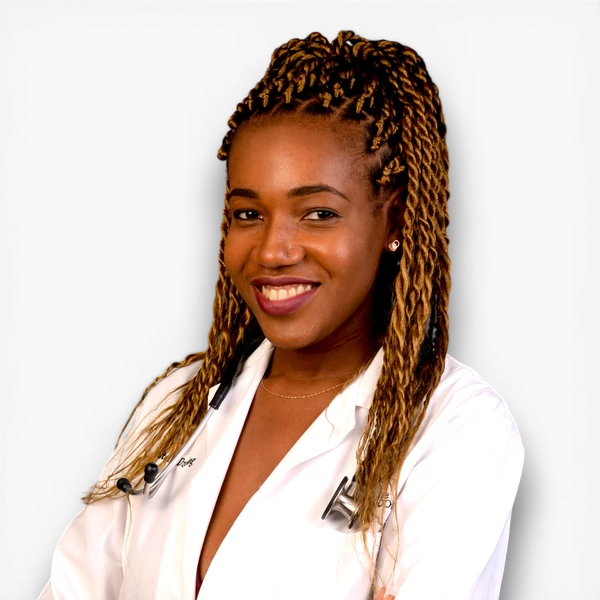
Family doctor and graduate of the Université de Montréal, in good standing with the Collège des médecins du Québec (CMQ), Dr. Karen Dzolang serves as medical director for the CARE network. For eyelid lesions and skin plaques near the eye, she helps frame the evaluation, possible indications, treatment limits and situations where another medical opinion is preferable.